


Can athlete’s foot cause onychomycosis?
Aug 14, 2022
Source: Cainiu Health

Dr. Liu Wan
Introduction
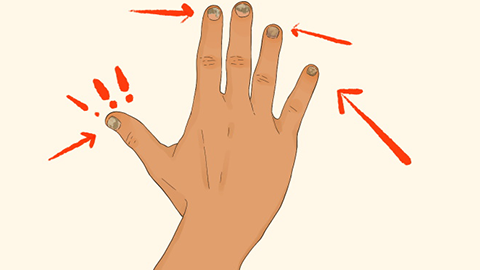
Athlete’s foot can cause onychomycosis (gray nail). Also known as tinea pedis, athlete’s foot is a contagious fungal skin infection. When patients with athlete’s foot experience itching, scratching the affected area with bare hands may lead to autoinoculation—spreading the fungus to the nails and resulting in gray discoloration. Typically, the nails become discolored, thickened, brittle, and may even undergo necrosis. Patients with athlete’s foot should avoid scratching their feet with bare hands.
There are many causes of onychomycosis (commonly known as “gray nail”), but the primary cause is inadequate protection of the nails. Patients with paronychia or skin peeling are also more susceptible to onychomycosis. So, can athlete’s foot cause onychomycosis?
Can athlete’s foot cause onychomycosis?
Yes, athlete’s foot can lead to onychomycosis. Also known as tinea pedis, athlete’s foot is a contagious fungal skin infection. When patients with tinea pedis experience itching, scratching the affected area with bare hands may result in autoinoculation—transferring the fungus to the nails and causing onychomycosis, characterized by grayish discoloration. Typically, infected nails become discolored, thickened, brittle, and may even undergo necrosis. Therefore, patients with tinea pedis should avoid scratching their feet with bare hands. Clinically, some cases of onychomycosis are indeed secondary to the spread of tinea pedis. Consequently, while treating onychomycosis, it is strongly recommended to concurrently treat tinea pedis to effectively eliminate the source of infection.

Most patients diagnosed with onychomycosis also have concurrent tinea pedis. Many individuals gradually develop onychomycosis over several years—a major contributing factor to its onset. In other words, uncontrolled or inadequately treated tinea pedis allows the fungus to spread to the nails, eventually resulting in onychomycosis. Another causative factor is local trauma to the foot, which facilitates fungal colonization and subsequent infection, leading to onychomycosis. A third potential cause is direct development of onychomycosis, often attributable to prolonged exposure to damp footwear or socks.
Patients with onychomycosis should seek timely treatment. We hope this information has been helpful to you.


