


What causes premature atrial contractions (PACs) of the heart?

Premature heartbeats (premature contractions) are a type of arrhythmia commonly encountered in daily life. With today’s advanced medical technology, numerous treatment options are available for premature beats. But what exactly is atrial premature contraction?
What Is Atrial Premature Contraction?
Atrial premature contraction (APC) refers to an early heartbeat originating from the atria. In healthy individuals, the heartbeat normally originates from the sinoatrial (SA) node—the heart’s natural pacemaker. On an electrocardiogram (ECG), this appears as sinus rhythm, with consistent intervals between successive sinus beats. When a heartbeat occurs earlier than expected, it is termed a premature contraction. Based on its site of origin, premature contractions are classified as atrial, junctional (or nodal), or ventricular. Atrial premature contractions arise from the atria and may cause symptoms such as palpitations and chest tightness.
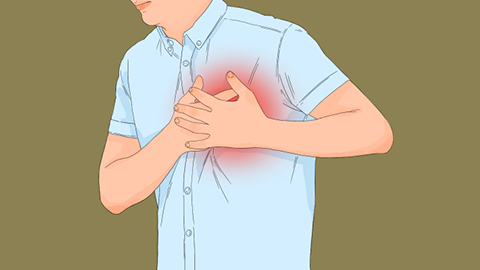
First, consult a physician for proper evaluation and management of atrial premature contractions to determine whether they are organic (structural) or functional (non-structural) in origin. Typically, diagnostic tests—including echocardiography and blood tests—are performed. If the premature contractions are simple and functional, attention should be paid to lifestyle factors such as chronic stress, anxiety, insomnia, and excessive fatigue. Additionally, avoid foods and substances that may stimulate the heart and trigger premature beats—such as strong tea, tobacco, alcohol, and coffee. In cases of frequent or symptomatic premature contractions, pharmacological therapy may be necessary.

When premature contractions are detected, patients must respond appropriately—not with undue anxiety. We hope this information has been helpful to you.


