


How is renal artery sclerosis treated?

The kidneys play a vital role in the human body. Certain unhealthy lifestyle habits and some congenital diseases can lead to kidney problems. Renal artery sclerosis is a type of kidney disease; if left untreated, it can severely impact overall health. So, how is renal artery sclerosis treated?
How Is Renal Artery Sclerosis Treated?
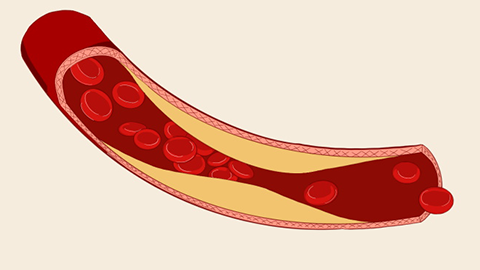
Treatment for renal artery sclerosis primarily includes pharmacotherapy and interventional therapy. When renal artery atherosclerosis progresses to a certain degree—causing significant narrowing—the patient may develop renovascular hypertension. Antihypertensive drug therapy is generally tailored according to whether the stenosis affects one or both renal arteries. For patients with unilateral renal artery stenosis, renin-angiotensin system (RAS) inhibitors—such as ACE inhibitors (“pril” drugs) or ARBs (“sartan” drugs)—may be initiated at low doses under physician guidance.

For unilateral stenosis, treatment typically begins with a low dose, gradually increasing while closely monitoring renal function and blood pressure control. In contrast, patients with bilateral renal artery stenosis require diuretic therapy alongside calcium channel blockers. Since atherosclerosis is mainly driven by dyslipidemia, statins are recommended for lipid management. Surgical intervention—such as angioplasty or stenting—is indicated when luminal stenosis exceeds 75%.
In daily life, patients should maintain a disciplined diet—avoiding spicy, irritating, or excessively rich foods, refraining from binge eating, and ensuring adequate sleep to prevent chronic fatigue. We hope this information proves helpful.


