


How is lower limb arterial sclerosis obliterans treated?

The human body’s arteries function like oil pipelines, with arterial blood continuously flowing through them—much like crude oil circulating within a pipeline system. The heart acts as an oil pump, constantly delivering energy to various tissues and organs via different vascular conduits. So, how is lower extremity arterial occlusive disease treated?
How Is Lower Extremity Arterial Occlusive Disease Treated?
Treatment for lower extremity arterial occlusive disease includes management of underlying risk factors and pharmacotherapy. Patients with this condition often have multiple associated risk factors, necessitating aggressive control of blood pressure, blood glucose, and serum lipid levels. Effective management of these risk factors significantly helps slow disease progression. Pharmacologic therapy typically involves antiplatelet agents, anticoagulants, vasodilators, and symptomatic treatment. Commonly used medications include aspirin, clopidogrel (Plavix), alprostadil, low-molecular-weight heparin, and cilostazol. According to the Trans-Atlantic Inter-Society Consensus (TASC) guidelines, endovascular therapy is the preferred first-line treatment for TASC Class A, B, and C lesions. Endovascular interventions include angioplasty, stent placement, atherectomy (debulking procedures), and drug-coated balloon angioplasty.
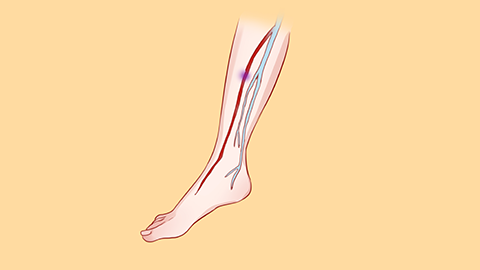
Regarding diet, patients should consume light, low-salt, and low-fat foods. Strict smoking cessation—including avoidance of secondhand smoke—is mandatory. Maintaining a healthy body weight is also essential, as controlling these modifiable risk factors plays a crucial role in preventing the development and progression of atherosclerosis. The guidelines recommend that individuals aged 40 years or older with one or more risk factors undergo routine vascular screening annually.
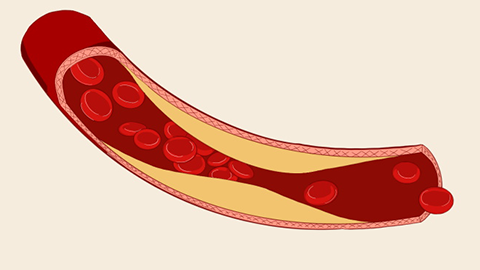
In daily life, cultivating healthy lifestyle and dietary habits is vital. We hope this information proves helpful to you.


