


How is arteriosclerosis diagnosed?

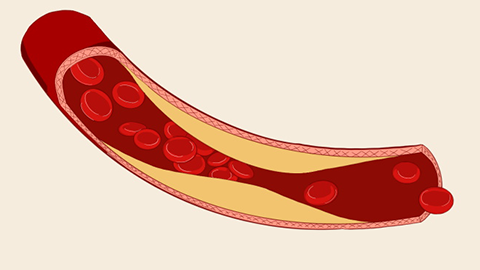
If atherosclerosis is not treated promptly, it can lead to more serious health complications. Therefore, individuals with atherosclerosis can manage their condition through dietary adjustments and regular physical activity, adopt healthy lifestyle habits—such as avoiding smoking, drinking plenty of water, and strengthening overall physical fitness—to promote general health and prevent further progression of the disease. So how is atherosclerosis diagnosed?
How Is Atherosclerosis Diagnosed?
Atherosclerosis can be detected through various diagnostic methods, including complete blood count (CBC), lipid profile testing, X-ray imaging, and angiography. If unexplained findings such as aortic widening or tortuosity are observed—or if transient chest pain or pressure occurs behind the sternum or in the precordial region following physical exertion—this may indicate myocardial ischemia resulting from coronary artery atherosclerosis. For prevention and management of atherosclerosis, regular exercise is recommended; however, intense or strenuous activity should be avoided, as it may place excessive strain on the heart and pose potential risks.
Recommended activities include brisk walking, health-focused exercises, and tai chi. It is important to pay attention to both the intensity and duration of physical activity. Tomatoes are rich in essential nutrients—particularly vitamin C, rutin, lycopene, and organic acids—and thus incorporating tomatoes regularly into one’s diet may help prevent atherosclerosis.

In daily life, cultivating sound lifestyle and dietary habits is crucial. We hope this information proves helpful to you.


