


What Causes Neck Pain and Nausea?

Neck pain can cause significant discomfort. If left unrelieved, it may severely disrupt daily life and even trigger more serious health conditions. Therefore, individuals should pay close attention to such symptoms and seek prompt medical evaluation to identify the underlying cause. So, what causes nausea alongside cervical spine pain?
What Causes Nausea with Cervical Spine Pain?
Cervical pain is a common symptom of cervical spondylosis and is frequently accompanied by nausea. Following the onset of cervical spondylosis, abnormal tension or laxity in the cervical ligaments leads to excessive mobility of the cervical vertebrae. This hypermobility may mechanically stimulate or compress the vertebral arteries, causing vasospasm and consequently reducing cerebral blood flow. Patients may then experience dizziness, nausea, vomiting, headache, or numbness in the upper limbs. These manifestations are typical of vertebral artery-type cervical spondylosis. Once cervical pain and nausea occur, patients should immediately observe strict bed rest and may benefit from temporary immobilization using a cervical collar—while avoiding neck flexion or frequent head rotation.
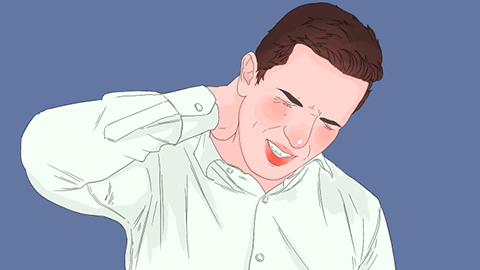
In daily life, proactive prevention of cervical spondylosis is essential. Individuals engaged in prolonged sedentary work should stand up and move around every 30 minutes. Additionally, consciously performing gentle cervical flexion, extension, and rotation exercises—morning, noon, and evening—can be highly beneficial. Other suitable activities include arm-raising, chin-tucking while walking, and gentle “head-to-hand” resistance exercises—all of which help strengthen neck musculature, delay degeneration, and prevent cervical spondylosis. Simultaneously, avoid using excessively high pillows and maintain proper sleeping posture.

Nausea associated with cervical spine pain significantly impairs quality of life. A CT scan can aid in definitive diagnosis, enabling targeted treatment. We hope this information proves helpful to you.


