


What causes persistent headache and nausea?

Headache and nausea are very common symptoms—nearly everyone has experienced them at some point. Most people have also encountered nausea and vomiting caused by gastrointestinal discomfort. However, these symptoms are rarely isolated; headache and nausea often occur together. There are numerous potential causes for concurrent headache and nausea—so what could be causing persistent headache and nausea?
What Causes Persistent Headache and Nausea?
Prolonged headache and nausea may stem from tension-type headaches. For instance, psychological stress, anxiety, or other negative emotions can easily trigger both headache and nausea. Additionally, improper diet or insufficient sleep may precipitate migraines, which commonly present with headache and nausea. Hypertension is another possible cause: elevated blood pressure can increase intracranial pressure and lead to cerebral ischemia and hypoxia, resulting in headache and nausea. Cervical spondylosis—often associated with prolonged desk work or poor posture—may also contribute, potentially leading to cervical or lumbar disc herniation.
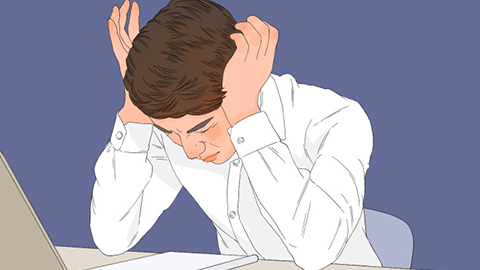
If a migraine occurs, resting in a quiet, dark room may help. Typically, a 30-minute nap can significantly alleviate migraine symptoms. Gentle but firm massage of the head is an effective method for relieving migraine pain—the temples are especially important acupoints for migraine relief. Using the index finger to apply steady pressure, then gently rotating the fist back and forth from the temples toward the hairline can be beneficial. Alternatively, place ice cubes in an ice pack—or wrap them in a towel—and apply the cold compress to the painful area. As the blood vessels in the head constrict due to cooling, symptoms naturally subside.

In daily life, patients are encouraged to engage in regular physical exercise, which helps strengthen immunity and prevent disease onset. We hope this information proves helpful to you.


