


What should I do for bilateral carotid artery atherosclerosis?

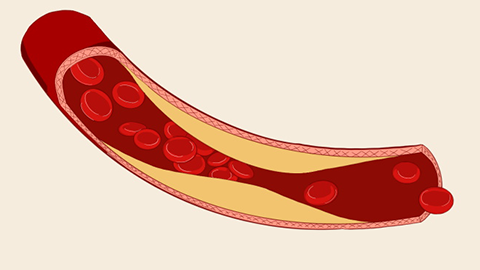
Bilateral carotid artery atherosclerosis reflects systemic atherosclerosis localized to the carotid arteries. It can generally be managed through lifestyle modifications, pharmacotherapy, and surgical intervention. A detailed analysis follows:
1. Lifestyle Modifications
Patients should adopt a low-salt, low-fat diet, consume ample vegetables and fruits, and avoid pork and eggs whenever possible. Smoking cessation and alcohol moderation are strongly advised. Regular physical activity is encouraged to enhance systemic circulation and prevent blood stasis in the carotid arteries. Adequate sleep, avoidance of excessive fatigue, and maintenance of psychological well-being are also essential.
2. Pharmacotherapy
Under medical supervision, patients may take oral statins—lipid-lowering agents that effectively reduce serum triglyceride and cholesterol levels and may even induce regression of small atherosclerotic plaques. For patients with larger plaques causing partial luminal narrowing (but no clinical symptoms or <70% stenosis), antiplatelet therapy (one to two agents) is added to lipid-lowering treatment.

3. Surgical Intervention
In cases where plaque burden causes ≥70% luminal stenosis or produces clinical symptoms, carotid endarterectomy is recommended. This procedure effectively removes both the atherosclerotic plaque and the diseased intima, thereby restoring carotid lumen patency. Postoperative antiplatelet therapy is routinely administered.


