


Definition of Bilateral Synovitis of the Lower Limbs

When discussing synovitis, many people turn pale at the mere mention of it, as treating this condition is notoriously challenging and often requires a prolonged recovery period. So, what exactly is bilateral lower-limb synovitis?
Definition of Bilateral Lower-Limb Synovitis
Bilateral lower-limb synovitis typically presents with joint swelling and pain; in severe cases, it may also cause swelling of the lower limbs. Synovitis involves inflammation of the synovial membrane lining the joint cavity—typically an aseptic (non-infectious) inflammatory process—that leads to synovial hyperplasia, hypertrophy, and exudation. This results in inflammatory joint effusion and localized pain. When synovitis becomes severe, pronounced local swelling may occur, impeding venous return in the lower limbs and causing blood stasis, thereby manifesting as lower-limb edema—visibly swollen legs. If synovitis is suspected, prompt medical evaluation is recommended to establish a definitive diagnosis and initiate appropriate, regular treatment. Should conservative management prove ineffective, surgical intervention—including synovectomy—may be considered to alleviate local swelling, pain, and functional impairment.
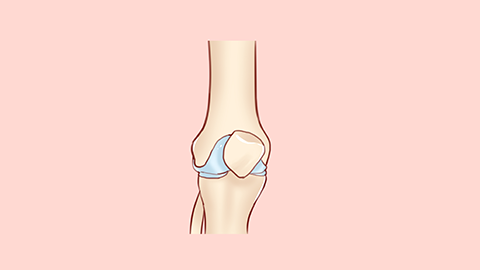
In clinical practice, knee synovitis is an aseptic inflammatory condition. The human knee frequently undergoes intense physical activity, chronic fatigue, overuse injuries, or exposure to cold, all of which increase intra-articular pressure and irritate the synovial tissue. Such irritation triggers inflammatory exudation and an inflammatory response within the synovium, ultimately leading to synovitis. Affected individuals commonly experience knee pain and swelling, resulting in impaired mobility; in some cases, intra-articular fluid volume increases significantly. Timely, appropriate treatment is essential: immobilization of the knee joint, topical application of herbal plasters promoting blood circulation and resolving stasis, combined with physical therapy, moxibustion, and acupuncture. Additionally, targeted strengthening exercises for the knee joint can help reduce intra-articular pressure and relieve symptoms.
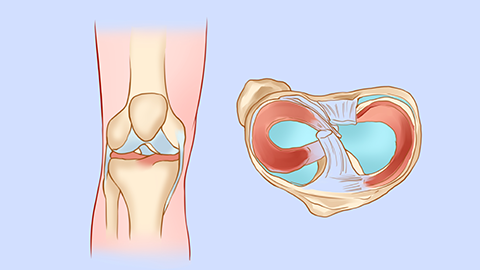
If symptoms of disease appear in daily life, timely medical consultation and diagnosis are crucial to prevent disease progression. We hope this information proves helpful to you.


