


How to effectively treat arteriosclerosis

Atherosclerosis is a very common condition among middle-aged and elderly individuals. It poses significant harm to the human body and may lead to various complications. The development of atherosclerosis is closely linked to careless dietary habits. Once diagnosed, prompt and active treatment is essential to prevent more severe damage to the body. So, what is the best way to treat atherosclerosis?
How to Effectively Treat Atherosclerosis
Atherosclerosis can be treated through vasodilation, pharmacotherapy, and other approaches. Initial treatment focuses on relieving vascular motor dysfunction via vasodilation. Under medical supervision, patients may take medications such as sustained-release nifedipine or diltiazem. Additionally, patients should adjust their diet and maintain regular, appropriate physical activity. If blood lipid levels remain elevated despite these lifestyle modifications, lipid-lowering medications may be prescribed. Furthermore, antiplatelet agents—designed to inhibit platelet adhesion and aggregation—can help prevent thrombus formation and thereby reduce the risk of occlusive vascular diseases.
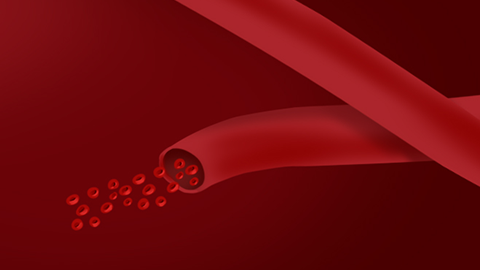
If arterial thrombosis leads to lumen narrowing or occlusion, thrombolytic and anticoagulant agents—such as urokinase or heparin—may be administered under professional guidance. Moreover, interventional therapies—including procedures to recanalize stenotic or occluded vessels—as well as surgical revascularization (e.g., bypass grafting) may be employed to restore arterial blood flow.
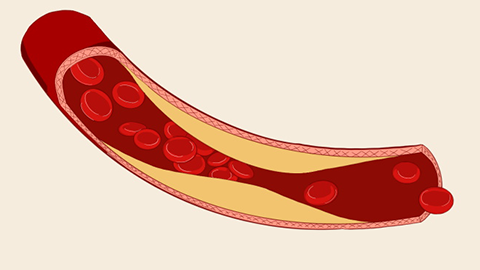
In daily life, consuming foods rich in vitamins and dietary fiber—such as fresh vegetables, fruits, and legumes—can help lower cholesterol levels and prevent atherosclerosis. In addition, refined staple foods should be limited; whole grains are preferable alternatives to refined rice or flour products. We hope this information proves helpful to you.


