


How is breast inflammation treated?
Aug 14, 2022
Source: Cainiu Health

Dr. Lv Aiming
Introduction
Mastitis is a common condition among women and can be caused by either physiological factors or underlying diseases. It is typically treated through local cleansing, warm compresses, and medication. Physiological mastitis—caused by non-pathological factors—does not require specific treatment; maintaining local cleanliness and dryness is usually sufficient.
Mastitis is a common condition among women and may arise from physiological causes or underlying disease. It is generally treated through local hygiene measures, warm compresses, and medication.

1. Local Hygiene
Mastitis is a common condition among women and may have physiological origins. Physiological mastitis typically occurs during lactation or just before menstruation due to elevated hormone levels, causing mild breast tenderness—a normal phenomenon that usually resolves spontaneously after menstruation ends. No specific treatment is required; maintaining local cleanliness and dryness suffices.
2. Warm Compresses
Pathological mastitis primarily results from bacterial infection or prolonged obstruction of the mammary ducts. In mild cases, local warm compresses can enhance blood circulation and metabolic activity, effectively alleviating ductal obstruction.
3. Medication
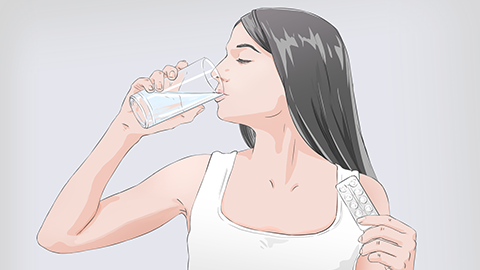
When mastitis becomes severe, systemic antibiotics may be prescribed under medical supervision. To prevent serious infection and sepsis, antibiotics should be selected based on bacterial culture and sensitivity testing; intravenous antibiotic administration may be necessary in severe cases.
In addition to the above treatments, surgical intervention may also be employed. During recovery, avoid wearing overly tight undergarments to prevent local pressure. Moreover, maintaining a positive mental outlook throughout treatment can significantly enhance therapeutic outcomes.


