


What should I do if I experience dizziness and nausea early in pregnancy?
Aug 14, 2022
Source: Cainiu Health

Dr. Chen Zhe
Introduction
Dizziness and nausea during early pregnancy can be managed through dietary adjustments. These symptoms often lead to decreased appetite; therefore, the diet should focus on light, easily digestible, and nutrient-rich foods—such as fish congee, cold dishes, and vinegar-soaked bean sprouts—which help improve appetite while providing essential nutrients. Meals should be small and frequent, avoiding overeating or binge eating to prevent placing excessive strain on the gastrointestinal system.
After becoming pregnant, women undergo significant physiological changes. Due to hormonal fluctuations, early pregnancy symptoms—such as dizziness and nausea—commonly occur during the first trimester and may be accompanied by irritability and anxiety. When these symptoms are severe, they can significantly disrupt a woman’s daily life. So, what should one do if experiencing dizziness and nausea shortly after conception?
What to Do for Dizziness and Nausea Shortly After Conception
Dietary adjustments can help alleviate dizziness and nausea in early pregnancy. These symptoms often lead to decreased appetite; therefore, meals should be light, easily digestible, and nutritionally rich—for example, fish congee, cold dishes, or vinegar-soaked bean sprouts—which both stimulate appetite and supply essential nutrients. Eating smaller, more frequent meals is recommended to avoid overburdening the gastrointestinal system; large, heavy meals should be avoided. You may also consume foods you enjoy to boost appetite, but processed foods—such as pickled items or bacon—should be limited. Fresh, whole foods are preferable.
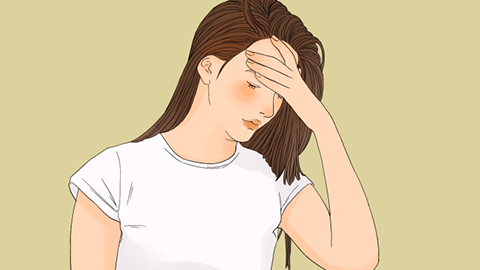
During early pregnancy—particularly within the first three months—the fetus remains relatively unstable within the uterus. Adequate rest is crucial; excessive physical exertion and vigorous exercise should be avoided. Pregnant women should also steer clear of crowded places and public areas, and maintain distance from smokers, as secondhand smoke poses serious risks to fetal development and may even lead to abnormal pregnancy outcomes. Early pregnancy symptoms—including dizziness, headache, nausea, vomiting, excessive sleepiness, and fatigue—are primarily driven by hormonal shifts in the body.

Mild distraction techniques—such as listening to music or taking gentle walks—may help ease early pregnancy discomfort. We hope this information proves helpful.





