


Can patients with breast nodules consume bird’s nest?

Bird’s nest is a commonly used tonic. Occasionally, patients with breast nodules consider consuming bird’s nest to supplement nutrition. So, can individuals with breast nodules eat bird’s nest?
Can patients with breast nodules consume bird’s nest?
Yes, patients with breast nodules may safely consume bird’s nest. As a natural tonic, bird’s nest offers skin-nourishing and beautifying benefits for women and is rich in high-quality protein. Regular consumption of bird’s nest can enhance the body’s immune function and resistance, thereby reducing the risk of disease progression. Therefore, eating bird’s nest is safe for patients with breast nodules—it neither exacerbates the condition nor interferes with the lesion, and may even support recovery.

Consuming bird’s nest not only helps improve the condition of breast nodules but also promotes skin health and beauty. Moreover, bird’s nest supports cellular regeneration; thus, long-term consumption may contribute to breast enhancement. Generally, patients with breast nodules should avoid spicy foods, smoking, and alcohol consumption, as these may aggravate their condition.
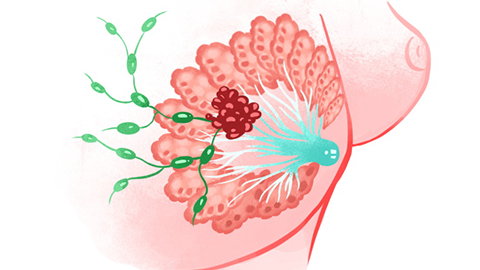
However, dietary adjustments—such as incorporating bird’s nest—are only an adjunctive component of treatment for breast nodules and cannot replace standard medical care. Patients should seek timely evaluation by a breast surgeon. Initial assessment must determine the nature of the lesion—specifically, whether it is benign or malignant. Subsequently, management strategies—including pharmacotherapy and, if necessary, surgical intervention—should be tailored according to clinical presentation to stabilize the condition. We hope this article has been helpful. Wishing you a joyful life and optimal health!


