Nausea and vomiting at eight months of pregnancy
Aug 14, 2022
Source: Cainiu Health

Dr. Chen Zhe
Introduction
Nausea and vomiting occurring in the eighth month of pregnancy may indicate preterm labor or result from intrauterine hypoxia. Excessive consumption of foods that irritate the stomach may also trigger nausea and vomiting. Some fetuses develop rapidly in utero and reach maturity by the eighth month; consequently, the enlarged uterus may press against the stomach, leading to nausea, vomiting, anorexia, and a sensation of abdominal fullness.
During pregnancy, increased secretion of estrogen and progesterone slows gastrointestinal motility, leading to early-pregnancy symptoms such as nausea, vomiting, loss of appetite, and cravings for sour foods. These symptoms are normal and need not cause undue anxiety or fear. Pregnant women should adopt a pattern of eating smaller, more frequent meals and choose light, easily digestible foods—avoiding greasy, spicy, and highly stimulating foods. By approximately 12 weeks of gestation, early-pregnancy symptoms typically begin to subside. So, what does it mean if nausea and vomiting reappear at eight months’ gestation?
Nausea and Vomiting at Eight Months’ Gestation
If nausea and vomiting occur during the eighth month of pregnancy, this may signal preterm labor or result from intrauterine hypoxia (oxygen deficiency in the uterine environment). Excessive intake of gastric irritants may also trigger these symptoms. Additionally, some fetuses develop rapidly and reach maturity by the eighth month; consequently, the enlarged uterus may press against the stomach, causing nausea, vomiting, anorexia, early satiety, and occasionally false (Braxton Hicks) uterine contractions. If nausea and vomiting persist beyond eight months, pregnant women should seek medical evaluation—including abdominal ultrasound examinations of the liver, gallbladder, pancreas, spleen, and kidneys—as well as blood tests assessing liver function and serum bile acid levels.
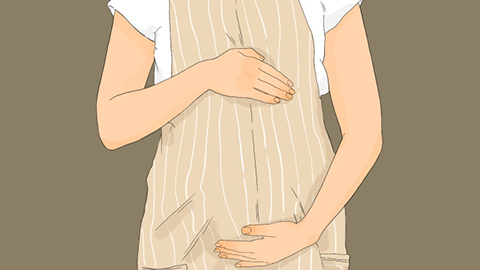
At eight months’ gestation, expectant mothers should prioritize personal hygiene and comfort. They should consume more high-fiber foods to prepare the body for delivery. Moderate physical activity is encouraged—but avoid overexertion—as it can facilitate labor. Sexual intercourse should be avoided, and women should perform self-monitoring to detect warning signs of threatened preterm labor. If symptoms improve, routine prenatal check-ups should continue as scheduled.

Pregnant women should adjust their dietary habits—opting for smaller, more frequent meals—and minimize consumption of greasy, spicy, and hard-to-digest foods. We hope this information proves helpful.