


What should I do if my face becomes crooked after a stroke?

Facial deviation (e.g., crooked mouth) following stroke is also very common in daily life and is often referred to as facial paralysis. This condition—characterized by asymmetrical mouth and eye positioning—is a neurological disorder that significantly impacts patients’ friends and family, particularly as patients themselves endure substantial physical and psychological stress. In such cases, traditional Chinese medicine (TCM) may be employed for treatment. So, what should one do when experiencing post-stroke facial deviation?
What to Do for Post-Stroke Facial Deviation
Patients with post-stroke facial deviation must seek prompt medical attention at a hospital. Facial nerve palsy—a frequent cause of facial asymmetry—is characterized by facial muscle paralysis and neurological functional deficits resulting from damage to the facial nerve. As the facial nerve extends over a relatively long distance from its central origin to the facial muscles, any injury along its course can lead to facial paralysis. During the acute phase, patients should take medications to reduce facial edema and accelerate recovery from facial palsy. Clinically, corticosteroids such as dexamethasone and sodium aescinate may be prescribed to alleviate facial swelling.
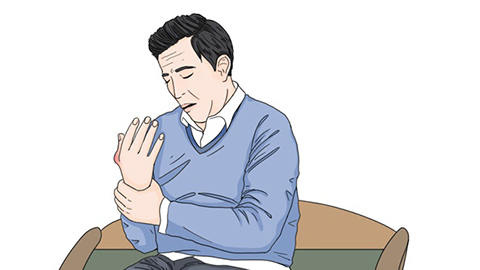
Engage in regular physical exercise and cultivate healthy lifestyle habits. Particularly for elderly individuals, timely screening and management of chronic conditions are essential to reduce stroke risk. Many people mistakenly consider sleeping a “bad habit”; in fact, upon waking in the morning, remaining in bed for several minutes before rising can effectively help prevent stroke. Research indicates that abruptly getting out of bed immediately after deep sleep—especially right upon awakening—poses the highest risk for triggering a stroke.
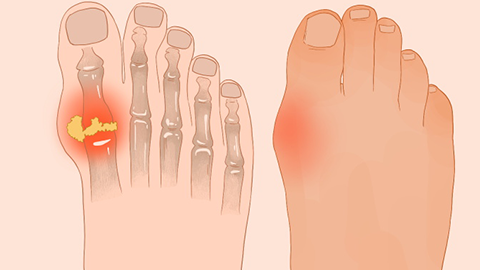
In daily life, maintain a disciplined diet: avoid spicy or irritating foods, refrain from binge eating, and eliminate late-night activities. We hope this information proves helpful.


