


What Causes Mouth Drooping in Stroke?

Facial deviation (often referred to as “crooked mouth”) due to stroke is also very common in daily life and may also be termed facial palsy. This condition—characterized by asymmetrical mouth and eye positioning—is a neurological disorder managed by the neurology department. It significantly impacts not only the patient but also their friends and family, especially as patients often endure substantial physical and psychological stress. So, what causes facial deviation following a stroke?
What Causes Facial Deviation After Stroke?
Facial deviation after stroke is primarily caused by ischemic or hemorrhagic stroke. This condition predominantly affects individuals aged 45 years and older. Its main clinical manifestations include facial and ocular asymmetry, hemiplegia, and—in severe cases—sudden syncope or impaired consciousness. Common sequelae include dysarthria (difficulty speaking) and aphasia (loss of language ability). Stroke is broadly classified into two types: ischemic and hemorrhagic, each with distinct underlying mechanisms. Ischemic stroke is frequently triggered by cardiac factors, such as arrhythmias, atrial fibrillation, myocardial ischemia, or myocardial infarction. These conditions disrupt cerebral hemodynamics, leading to cerebral hypoperfusion and hypoxia, potentially resulting in cerebral infarction—and consequently, facial deviation.
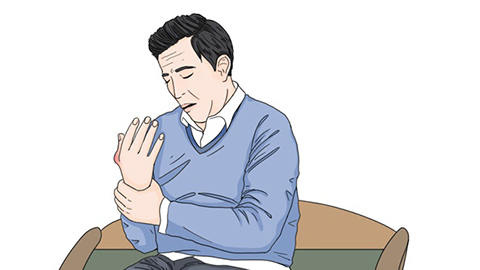
Hemorrhagic stroke typically refers to intracerebral hemorrhage, most commonly associated with uncontrolled hypertension. Fluctuating or poorly controlled blood pressure can cause microvascular disease, vessel rupture, and subsequent bleeding—leading to neurological deficits and oral deviation. Most cases of post-stroke facial deviation are attributable to ischemic stroke; without prompt treatment, outcomes can be severe. Early interventions—including thrombolysis, mechanical thrombectomy, improvement of microcirculation, and neuroprotection—followed by active rehabilitation therapy, can significantly improve facial deviation symptoms.
In daily life, patients should maintain a positive mindset, actively cooperate with physicians during treatment, take prescribed medications consistently and correctly, and pay close attention to routine self-care—so that clinical improvement occurs as rapidly as possible. We hope this information proves helpful to you.


