


How to manage cervical nabothian cysts

Under normal circumstances, cervical nabothian cysts—also known as cervical glandular cysts—can be managed through general measures, pharmacological treatment, or surgical intervention, depending on their specific characteristics. A detailed analysis follows:
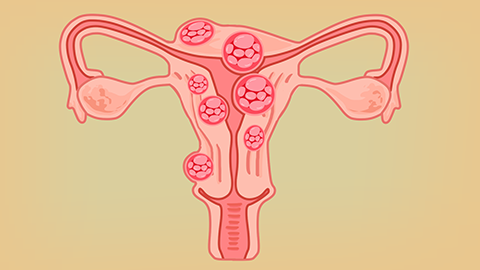
1. General Management
Most cervical glandular cysts are physiological in nature. For individuals with mild or no symptoms, no specific treatment is typically required; maintaining good personal hygiene suffices. Sexual intercourse should be avoided during menstruation, and a light, bland diet is recommended.
2. Pharmacological Treatment
If chronic cervicitis or infection is present, a routine vaginal discharge examination should be performed to assess for bacterial, fungal, Chlamydia trachomatis, or Neisseria gonorrhoeae infections. When necessary, culture of the discharge may be conducted to identify the causative pathogen. Based on the findings, targeted drug therapy should be administered under medical supervision. Commonly prescribed medications include antibiotics such as amoxicillin, cephalosporins, and penicillin, as well as anti-anaerobic agents like metronidazole.

3. Surgical Treatment
For large cervical glandular cysts associated with significant subjective symptoms, surgical excision may be indicated. Procedures include cystectomy, cervical conization, and cyst fenestration (marsupialization).
Therefore, upon detection of a cervical nabothian cyst, prompt consultation with a gynecologist is advised. After completing relevant diagnostic evaluations, appropriate management can be initiated under professional medical guidance.


