


How is a cervical conization procedure performed?

Most women are well aware of the dangers associated with cervical lesions—not only can they cause menstrual irregularities and dysmenorrhea, but in severe cases, they may lead to infertility or even cancer. Consequently, some patients believe that hysterectomy is necessary upon diagnosis, as it would eliminate the disease at its source and prevent complications arising from cervical lesions. So, how is cervical excision performed?
How Is Cervical Excision Performed?
In general, cervical excision primarily involves two procedures: Loop Electrosurgical Excision Procedure (LEEP) and cold knife conization. A detailed explanation follows:
1. Loop Electrosurgical Excision Procedure (LEEP)
LEEP is a commonly performed gynecological surgical procedure, frequently used to treat cervical erosion, cervical polyps, genital warts (caused by HPV), and early-stage cervical cancer. Also known as the Lipp knife procedure, LEEP offers advantages over laser surgery—including shorter operative time, minimal pain, and no thermal damage to the margins of the excised tissue.
2. Cold Knife Conization
Cold knife conization involves removing a cone-shaped portion of cervical tissue—from the external os inward. Its key advantages include sharp, well-defined incision margins—ideal for histopathological examination—and relatively minimal tissue damage.
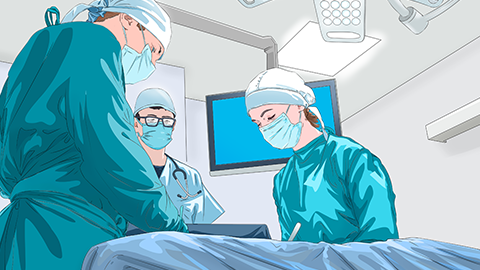
The procedure begins by inserting a vaginal speculum to expose the cervix. The cervix is then disinfected locally with povidone-iodine. A cervical clamp is applied to stabilize and fix the cervix, after which the abnormal cervical tissue is excised. Postoperatively, patients may experience bleeding or infection; therefore, appropriate postoperative care is essential. Sterile gauze should be placed to apply pressure and control bleeding. Sexual intercourse must be avoided during recovery, and patients should prioritize rest.
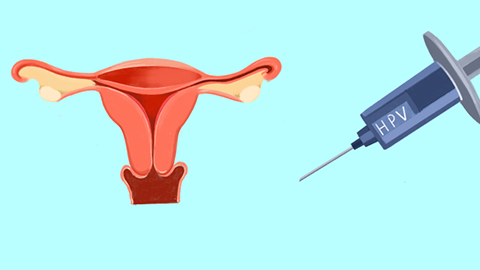
If symptoms suggestive of disease appear, prompt medical evaluation and active cooperation with treatment are strongly advised. We hope this information proves helpful.


