


When is the ovulation period if menstruation starts on the 1st day?
Aug 14, 2022
Source: Cainiu Health

Dr. Chen Zhe
Introduction
If menstruation begins on the 1st day of the month, ovulation typically occurs around days 13–14 after the onset of menstruation. However, in many cases, women may experience unexpected (spontaneous) ovulation, meaning ovulation does not occur during the predicted fertile window—or even near it. Such unpredictable ovulation can be influenced by various factors; yet even in the absence of identifiable triggers, one or two episodes of irregular ovulation may occasionally occur.
Since menstrual blood is formed from the cyclical shedding of endometrial cells, women with irregular menstruation are more prone to developing blood clots, which are often accompanied by dysmenorrhea (painful menstruation) of varying severity. So, if menstruation begins on the 1st day of the month, when does ovulation occur?
When Does Ovulation Occur If Menstruation Begins on the 1st?
If menstruation starts on the 1st, ovulation typically occurs around days 13–14 after the onset of menses. However, in many cases, women may experience unexpected (spontaneous or “surprise”) ovulation—meaning ovulation does not occur during the predicted fertile window or its immediate vicinity. Such unpredictable ovulation can be influenced by multiple factors; even in the absence of identifiable triggers, one or two episodes of atypical ovulation may occasionally occur. These irregular ovulatory events often lead to menstrual disturbances—for example, early ovulation followed by premature natural menstruation. Conversely, delayed ovulation usually results in a delayed menstrual period.
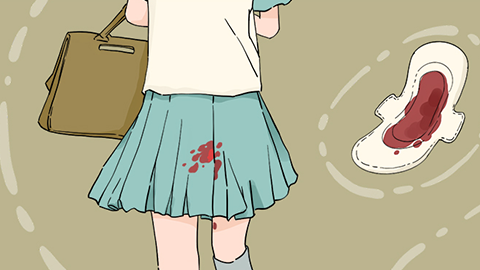
During menstruation, women should maintain external genital hygiene. The vulva may be gently cleansed with warm water. Showers—not baths—are recommended for bathing. Underwear should be changed frequently and dried thoroughly in sunlight. Sanitary pads should be replaced regularly and must be certified, high-quality products from reputable manufacturers—avoid unbranded or substandard (“three-no”) products. During menstruation, avoid consuming cold, fried, or spicy foods. Cold, pungent, and irritating foods may stimulate the female reproductive system and increase the risk of menstrual irregularities.
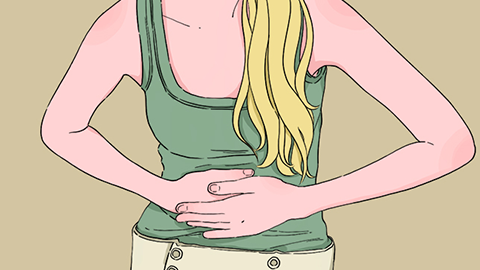
In daily life, women should cultivate a positive mental outlook and pay attention to routine self-care to help normalize menstrual patterns as soon as possible. We hope this information proves helpful to you.



