


What are cervical nabothian cysts?

Some women frequently experience back pain and abnormal vaginal discharge in daily life—symptoms that may actually stem from gynecological conditions such as cervical Nabothian cysts. Generally, if the condition is mild, no specific treatment may be required for the time being; however, treatment becomes necessary when multiple cysts are present. So, what exactly are cervical Nabothian cysts?
What Are Cervical Nabothian Cysts?
Cervical Nabothian cysts—commonly referred to as “Nabothian cysts”—are a chronic manifestation of cervicitis. A detailed explanation follows:
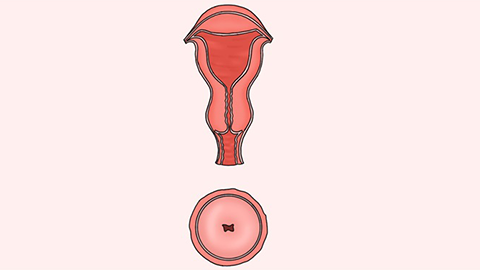
During the healing process of cervical erosion, newly formed squamous epithelium may cover the openings of cervical glands or extend into the glandular ducts, thereby obstructing them. Additionally, fibrous connective tissue proliferation or scar formation around the glandular ducts can compress and narrow—or even completely block—the ducts, impeding the normal drainage of glandular secretions and leading to cyst formation. While the cysts themselves pose no direct threat to health, prolonged inflammatory stimulation may, in rare cases, increase the risk of malignant transformation in patients with chronic cervicitis; thus, timely treatment is recommended.
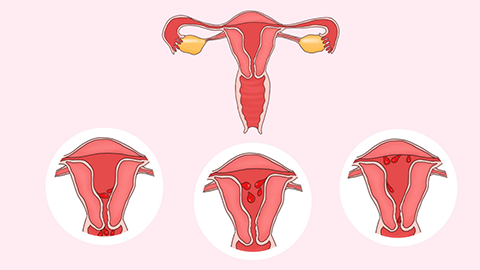
Because these cysts are encapsulated, drug therapy alone tends to be ineffective and time-consuming—physical therapies are significantly more effective. For densely clustered small Nabothian cysts or relatively larger ones, physical modalities such as phototherapy, laser ablation, microwave therapy, or self-coagulation knife procedures may be considered. For large, protruding lesions on the cervical surface, electrosurgical excision may be appropriate. These treatments are generally well-tolerated, cause minimal discomfort, and typically do not interfere with routine work or daily activities. It is advisable to seek gynecological care at a reputable hospital under the guidance of a qualified physician.
If symptoms suggestive of disease appear, prompt medical evaluation and active cooperation with prescribed treatment are essential. We hope this information has been helpful to you.


