


Can high blood sugar cause nausea and vomiting?

Modern individuals often lead busy work lives and tend to overeat, especially favoring high-calorie and sweet foods. This dietary pattern can lead to elevated blood glucose levels. But can high blood sugar cause nausea and vomiting?
Can high blood sugar cause nausea and vomiting?
Hyperglycemia frequently triggers nausea and vomiting. In such cases, blood glucose levels are typically markedly elevated. Due to insufficient insulin, glucose cannot be effectively utilized by the body. Consequently, the body breaks down fat for energy, generating metabolic byproducts known as ketone bodies—including β-hydroxybutyrate, acetoacetate, and acetone. These ketone bodies can irritate the gastrointestinal tract, leading to nausea and vomiting. Therefore, if a patient with hyperglycemia develops nausea or vomiting, acute complications—particularly diabetic ketoacidosis (DKA)—must be urgently considered, requiring immediate hospital evaluation and treatment.
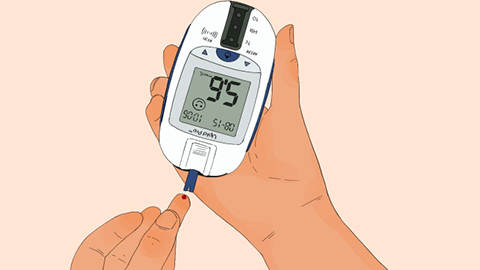
Hyperglycemia is primarily caused by unhealthy eating habits, particularly frequent consumption of high-sugar foods. Blood glucose levels exceeding the normal range often indicate a suboptimal health state; pharmacological intervention is generally recommended to control elevated blood glucose. Dietary management should emphasize light, low-sugar meals, and patients should avoid high-fat diets—not low-fat diets, as incorrectly stated in the original text. (Note: The original Chinese text mistakenly states “avoid low-fat diet”; clinically, patients with diabetes are advised to limit *high*-fat foods, especially saturated and trans fats.) Maintaining stable, appropriately lowered blood glucose helps prevent symptoms such as nausea and vomiting. Patients should prioritize adequate rest, avoid staying up late, and incorporate fresh fruits into their daily diet.

If symptoms are severe, prompt medical attention is essential. Patients should also consistently monitor their blood glucose levels in daily life.


