


Will dysmenorrhea improve after childbirth?

Primary dysmenorrhea refers mainly to menstrual pain caused by endometriosis, such as adenomyosis, endometriosis, and ovarian cysts. During pregnancy, menstruation ceases for approximately ten months; consequently, ectopic endometrial tissue may gradually shrink—or even disappear entirely. So, does dysmenorrhea improve after childbirth?
Does dysmenorrhea improve after childbirth?
Whether dysmenorrhea improves postpartum depends on the individual’s recovery status and the severity of the pain. Dysmenorrhea is a common symptom experienced during menstruation, and in some cases, it is classified as primary dysmenorrhea. Typical symptoms include lower abdominal pain and bloating during menstruation, often accompanied by low back pain or other discomforts. Primary dysmenorrhea refers to menstrual pain occurring in the absence of any organic pathology in the reproductive organs, whereas secondary dysmenorrhea results from pelvic organic disease—such as endometriosis or adenomyosis.

For women suffering from dysmenorrhea, most symptoms tend to ease following childbirth. However, in some cases, dysmenorrhea may persist—or even progressively worsen—after the resumption of menstruation postpartum and during lactation. Whether dysmenorrhea recurs postpartum largely depends on its underlying cause: in cases of primary dysmenorrhea, symptoms often subside—or even resolve completely—following pregnancy, delivery, and breastfeeding.
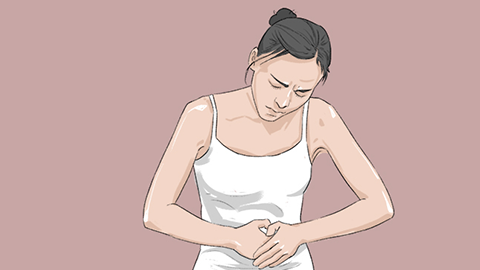
Nonetheless, once menstruation resumes and ovarian hormonal function is restored, dysmenorrhea may reappear. In such cases, an individualized treatment plan should be formulated based on the patient’s specific symptoms and reproductive goals. We hope this response has been helpful to you.


