


What should be done for uterine atrophy after menopause?

After menopause, women should prioritize rest, maintain a positive mood, minimize emotional stress (e.g., anger), and reduce intake of sweets. Excessive consumption of sugary foods can disrupt female endocrine function, potentially accelerating aging. To prevent such complications, women must pay attention to relevant health considerations and take proactive measures to safeguard their well-being. So, what should be done if uterine atrophy occurs after menopause?
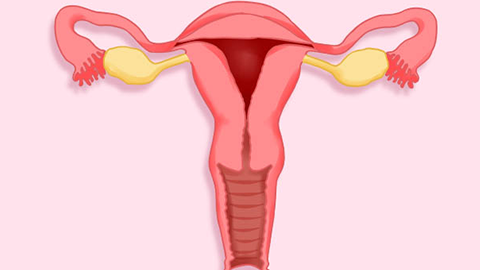
Management of Uterine Atrophy After Menopause
Menopause refers to the permanent cessation of menstruation. If uterine atrophy has already developed at this stage, it typically indicates that menopause has been reached—characterized by a marked decline in ovarian hormone secretion. Patients may alleviate associated discomfort through dietary adjustments, daily self-care, and pharmacological treatment. Specific recommendations are outlined below:
1. Dietary Adjustment
Following uterine atrophy, patients are advised to consume nutrient-rich foods—including fresh fruits and vegetables, low-fat dairy products, legumes, and fish or shellfish—to ensure adequate protein and overall nutritional support.2. Daily Self-Care
Patients should undergo regular monitoring of hormonal levels, maintain healthy lifestyle habits, follow a scientifically balanced and nutritious diet, and engage in appropriate physical exercise. Postmenopausal women may also experience menopausal symptoms such as irritability, insomnia, and osteoporosis. Should these symptoms persist or fail to improve with self-care, prompt medical consultation is strongly recommended.
3. Pharmacological Treatment
Uterine atrophy often leads to reduced vaginal secretions and vaginal dryness; some women may even experience dyspareunia (painful intercourse). To address these clinical manifestations, patients should consult a healthcare provider for diagnostic evaluation—including hysteroscopy and pelvic ultrasound—to assess the extent of atrophy. Under physician guidance, hormone replacement therapy (HRT) may be prescribed—for example, estradiol valerate or conjugated estrogens.
In daily life, patients should maintain good perineal hygiene, keep the genital area clean and dry, consume easily digestible, nutrient-dense foods, and avoid spicy, irritating, or overly rich meals. Binge eating and late-night sleeping should also be avoided. We hope this information proves helpful.


