


What Causes Menstrual Cramps on the Third Day?

In general, most women experience menstruation each month. The most troublesome aspect of menstruation is often menstrual pain (dysmenorrhea). Mild symptoms may involve only a sensation of heaviness or pressure in the lower abdomen, while severe cases can even lead to syncope (fainting). Dysmenorrhea has numerous causes—both physiological and pathological. So, what causes dysmenorrhea on the third day of menstruation?
Causes of Dysmenorrhea on Day Three
Dysmenorrhea occurring on the third day of menstruation may result from a cold or flu contracted during the menstrual period, or it may be due to persistent dysmenorrhea caused by endometritis. Consuming cold foods or bathing with cold water significantly increases the risk of dysmenorrhea and may markedly reduce menstrual flow. Exposure to cold water during menstruation can cause blood stasis (blood stagnation) within the body, thereby triggering dysmenorrhea. Excessive physical exertion or intense exercise during menstruation can also contribute to menstrual pain. If the pain is mild, no specific treatment is usually required; however, if the pain is severe, over-the-counter analgesics may be taken.
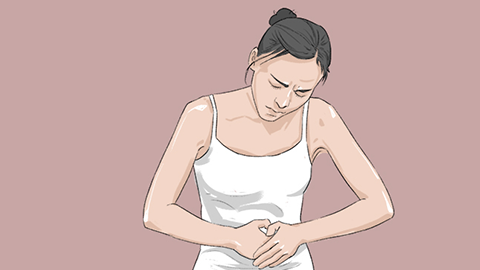
Under normal circumstances, menstrual pain typically peaks on the first day of menstruation and gradually subsides by the second day. However, if dysmenorrhea persists into the third day of menses, endometritis should be considered as a primary cause of persistent dysmenorrhea. Typically, this type of dysmenorrhea lasts throughout the entire menstrual period and does not ease—even after menstrual flow becomes lighter or ceases.

In daily life, patients should maintain a positive mindset, actively cooperate with their physicians’ treatment plans, take prescribed medications regularly and in the correct dosage, and pay attention to routine self-care—so that improvement occurs as soon as possible. We hope this information proves helpful to you.


