


How to Alleviate Neurogenic Tinnitus

Tinnitus is a very common phenomenon in daily life and encompasses many different types; neural tinnitus is one such type. Also known as sensorineural tinnitus, it refers to abnormal sounds—such as chirping or hissing—perceived by the patient in the ear without any external auditory stimulus. So, how can neural tinnitus be alleviated or eliminated?
How to Alleviate or Eliminate Neural Tinnitus
Neural tinnitus can be managed through various therapeutic approaches, including pharmacotherapy, sound masking therapy, hyperbaric oxygen therapy, and psychological interventions. Commonly prescribed medications for patients with neural tinnitus include neurotrophic agents, anxiolytics, and antidepressants; some patients may also require anticonvulsants such as carbamazepine. For neural tinnitus caused by prolonged exposure to noisy environments, sound masking therapy is often recommended. This typically involves identifying a masking signal whose frequency closely matches that of the tinnitus, thereby suppressing or masking the perceived tinnitus sound. With consistent, long-term application of this method, the intervals between tinnitus episodes may gradually lengthen, while the duration of each episode may shorten.
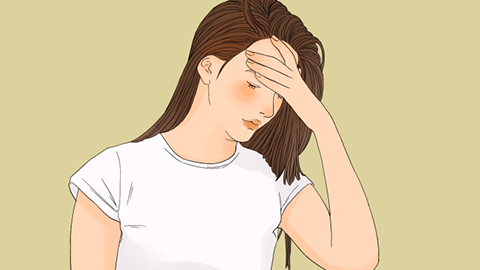
Since insomnia is a frequent underlying cause of neural tinnitus—and psychological factors contribute in some cases—it is advisable for patients to maintain a relaxed mindset, avoid excessive fatigue, practice relaxation techniques, engage in regular social interaction, cultivate personal hobbies, enrich daily life, and thereby improve their overall psychological well-being. Maintaining a regular schedule for work and rest is essential; patients are also encouraged to engage in more physical exercise and adopt gradual, gentle lifestyle adjustments.
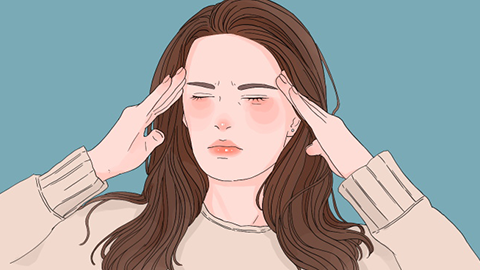
In daily life, patients are advised to follow a low-salt, low-fat diet and avoid overly salty or greasy foods—such as beef, mutton, and chestnuts. We hope this information proves helpful to you.


