


Does a uterine septum affect fertility?

Uterine septum is a manifestation of incomplete uterine cavity recanalization during congenital uterine development. It appears as a ridge—predominantly composed of connective tissue—projecting into the uterine cavity from the uterine fundus, resulting in deep uterine horns and a reduced uterine cavity volume. Pelvic color Doppler ultrasound or hysterosalpingography (HSG) may reveal a downward depression of the uterine fundus at the horizontal level; however, definitive diagnosis relies on hysteroscopy.
Does Uterine Septum Affect Fertility?
Yes, uterine septum can impair fertility. The septum functions much like an intrauterine device (IUD)—a physical barrier within the uterine cavity—that interferes with embryo implantation. If the septum is relatively small, implantation may still occur, but the risk of miscarriage is significantly elevated. Should implantation occur directly onto the septum, the inadequate blood supply to this tissue often leads to pregnancy failure. Therefore, women diagnosed with uterine septum are generally advised to postpone conception until after surgical correction and full recovery.
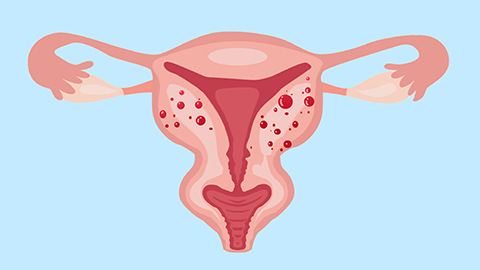
If the septum is partial (incomplete), pregnancy may still be possible, and treatment may be deferred temporarily. However, in cases of complete uterine septum, prompt medical evaluation and surgical intervention are recommended. Currently, hysteroscopic septal resection is the most commonly performed procedure. Following surgical removal of the septum, women typically regain normal fertility potential. Pregnant women with a history of uterine septum are at increased risk for threatened miscarriage in early gestation due to uterine structural abnormalities; thus, strict adherence to bed rest is essential. Activities such as lifting heavy objects, prolonged stair climbing, standing on tiptoes to reach items, and extended squatting should be avoided.

In daily life, maintain a regular, balanced diet—avoid spicy, stimulating, or excessively rich foods, and refrain from binge eating or staying up late. We hope this information proves helpful to you.


