


Can a 2-mm uterine scar at 37 weeks gestation safely progress to 39 weeks?

Uterine scar pregnancy refers to a condition in women with a prior cesarean delivery history, wherein the gestational sac implants within the pre-existing uterine scar. This often leads to massive vaginal bleeding and late-term uterine rupture. It carries a high risk and is among the most challenging clinical dilemmas faced by obstetricians. With the continuously rising cesarean delivery rate and the implementation of the two-child policy, the incidence of uterine scar pregnancy has shown an upward trend in recent years. So, can a 2-mm uterine scar at 37 weeks’ gestation safely sustain the pregnancy until 39 weeks?
Can a 2-mm uterine scar at 37 weeks sustain pregnancy until 39 weeks?
A 2-mm uterine scar at 37 weeks may potentially allow continuation of pregnancy until 39 weeks. However, the specific timing of delivery in late pregnancy must be assessed holistically, as it depends on numerous factors—including amniotic fluid volume and clarity, maternal blood pressure, fetal movement, normal fetal heart rate, and the presence of any complications. Therefore, delivery timing cannot be determined solely based on uterine scar thickness. A uterus with extensive scarring is highly dangerous; even minor mishandling may precipitate life-threatening hemorrhage. Thus, when fetal maturity is confirmed, cesarean delivery at 37 weeks may be considered.
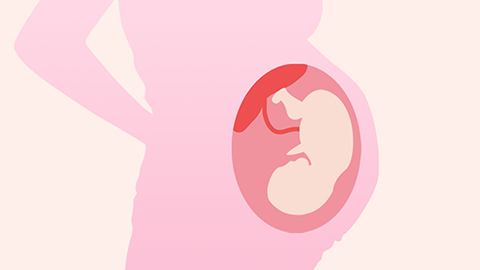
If continuation of pregnancy is desired, strenuous physical activity must be strictly avoided. After 37 weeks, the frequency of prenatal monitoring should be increased to closely observe any changes in maternal or fetal condition and to promptly detect evolving symptoms. During the third trimester, excessive physical activity should be minimized, and constant supervision by a caregiver is strongly recommended. Pregnant women should maintain regular work–rest schedules, go to bed early, and rise early. In the second and third trimesters, supine positioning during sleep should be avoided, as uterine enlargement may compress the inferior vena cava.

In daily life, dietary habits should be standardized: avoid spicy, irritating, or overly rich foods; refrain from binge eating; and ensure adequate rest—avoiding late-night activities. We hope this information proves helpful.


