


Optimal Treatment for Uterine Incisional Diverticulum

It is well known that the uterus is critically important for every woman, as it bears essential reproductive responsibilities and is relatively fragile. Neglecting proper care in daily life can easily lead to various health issues—uterine diverticulum (also known as cesarean scar defect or niche) being one of them. Uterine diverticulum can impair a woman’s fertility, making it a serious concern. So, what is the optimal treatment for a uterine incisional diverticulum?
Optimal Treatment for Uterine Incisional Diverticulum
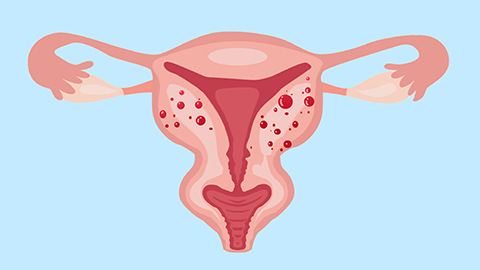
Treatment of uterine incisional diverticulum is primarily tailored to the patient’s individual needs and specific clinical manifestations, with options including medical therapy or surgical intervention. Oral medications may alleviate symptoms but cannot resolve the underlying structural abnormality. In contrast, surgical procedures—such as uterine scar diverticulum repair and reconstruction—can fully correct the defect, especially for women desiring future fertility. Uterine incisional diverticulum results from inadequate healing of the cesarean delivery incision, leading to a concave indentation between the uterine scar and the endometrial cavity—a sequela of poor wound healing. This indentation traps menstrual blood, causing symptoms such as pelvic pain and prolonged menstruation. Importantly, the diverticulum itself is not directly caused by cesarean delivery per se, but rather by suboptimal postoperative wound healing.
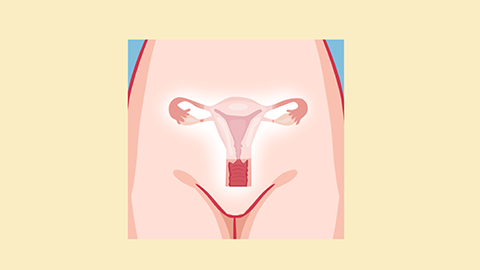
Uterine diverticulum refers to small, localized separations or gaps within the uterine wall. During menstruation, affected women may experience prolonged, irregular bleeding—characterized by extended cycles, light flow, and incomplete shedding of the endometrium. Such defects compromise uterine integrity and function, thereby adversely affecting fertility. For instance, implantation of the fertilized ovum may be impaired, potentially resulting in infertility. Moreover, if the diverticulum becomes inflamed or otherwise pathologically altered, it can significantly disrupt sexual function for both partners, often manifesting as postcoital vaginal bleeding.
If signs of inflammation or discomfort arise, prompt anti-inflammatory treatment is recommended. We hope this information proves helpful to you.


