


What Causes a Small Uterus in Women?

With the implementation of the two-child policy, many women have chosen to have a second child. However, this does not guarantee that they will conceive smoothly if they wish to do so. Some women experiencing infertility are found—upon medical examination—to have an abnormally small uterus, thereby compromising their ability to achieve and sustain a normal pregnancy. So, what causes a woman’s uterus to be small?
Causes of a Small Uterus in Women
A small uterine volume in women may result from underdevelopment of the paramesonephric (Müllerian) ducts—a congenital developmental anomaly. If the uterus is only slightly smaller than normal, it may reflect mild uterine hypoplasia, caused by premature cessation of paramesonephric duct development shortly after their fusion. Clinical manifestations include oligomenorrhea (scanty menstruation), menstrual irregularity, and infertility. In cases where ovulation occurs regularly, most women require no specific intervention, as natural conception remains possible. However, if anovulation is present, sequential estrogen-progestogen therapy—under physician supervision—is recommended to stimulate uterine growth and support fertility. In more severe cases, a markedly small uterus may represent a “rudimentary uterus,” resulting from early arrest of paramesonephric duct development immediately following fusion. Such a uterus lacks a functional endometrial cavity and therefore precludes both menstruation and fertility.
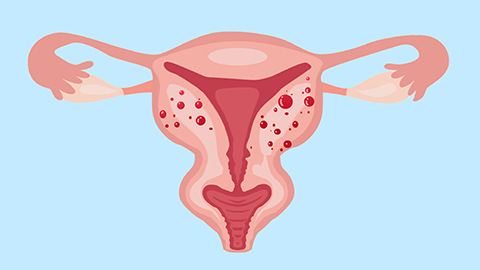
If the uterus is small, attention should be paid to maintaining a balanced diet. Foods rich in phytoestrogens—including honey, meat, eggs, dairy products, and legumes and their derivatives—may be incorporated. However, dietary modifications alone serve only as adjunctive support; pharmacological treatment is typically required. The etiology of a small uterus commonly involves either congenital uterine hypoplasia or postpartum hormonal insufficiency. Clinically, artificial menstrual cycle therapy is frequently employed to regulate endocrine function and treat uterine hypoplasia secondary to postpartum hormonal deficiency. Diagnosis of a small uterus is usually confirmed via color Doppler ultrasonography. Clinical features often include infrequent menstruation, dysmenorrhea, or menstrual irregularity—all attributable to uterine hypoplasia, which, in severe cases, can significantly impair normal fertility.

If symptoms suggestive of disease are observed, prompt medical evaluation and active cooperation with prescribed treatment are essential. We hope this information proves helpful to you.


