


Is uterine diverticulectomy considered a minor surgical procedure?

Many women encounter various gynecological issues in daily life—such as vaginitis, pelvic inflammatory disease, and cervical cancer—which not only cause significant discomfort but also substantially impair their quality of life and physical well-being. Uterine diverticulum is one such condition requiring timely intervention. So, is surgical repair of a uterine diverticulum considered a minor procedure?
Is uterine diverticulum surgery considered a minor procedure?
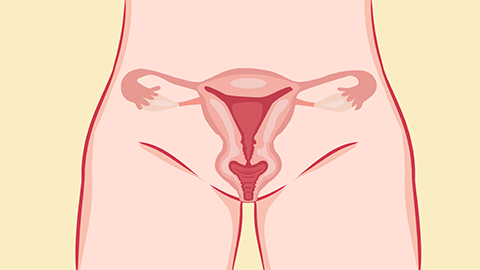
Whether uterine diverticulum surgery qualifies as a minor procedure depends on both the surgical approach employed and the size of the diverticulum. A uterine diverticulum refers to a cavity formed by protrusion of endometrial tissue into the uterine wall; it may be either congenital or acquired, both stemming from abnormalities in embryonic uterine development. If the diverticulum is relatively small, hysteroscopic surgery is typically selected, involving localized incision and electrocoagulation. Given its limited operative scope, this approach generally falls within the category of minor surgery. Conversely, if the diverticulum is large or hysteroscopic treatment proves ineffective, laparoscopic or open abdominal surgery becomes necessary—classifying the procedure as moderate in complexity.

Patients should note that uterine diverticulum repair surgery should ideally be performed during the proliferative phase of the menstrual cycle. Additionally, pregnancy is generally recommended no sooner than one year post-surgery. Since uterine diverticulum is a known complication following cesarean delivery, reducing the overall cesarean rate—starting at the source—is critically important.
In daily life, patients should maintain a balanced diet, avoid spicy or irritating foods, refrain from overeating, and ensure adequate sleep to prevent chronic fatigue. We hope this information proves helpful.


