


How to Relieve Postpartum Uterine Contraction Pain

After childbirth, the enlarged uterus of the mother must contract, resulting in uterine contraction pain—a normal physiological phenomenon. If uterine contractions are suppressed, poor uterine involution may occur, leading to postpartum hemorrhage. So, how can postpartum uterine contraction pain be relieved?
How to Relieve Postpartum Uterine Contraction Pain
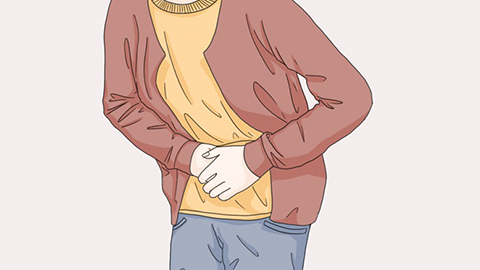
Postpartum uterine contraction pain can be alleviated through abdominal care, analgesic medications, and other methods. Circular massage of the lower abdomen can help expel residual gas from the uterine cavity and temporarily relax the uterus. Additionally, applying a hot water bottle to the abdomen can create a warming effect—however, the temperature must not be excessively high to avoid skin burns. If the pain becomes unbearable, analgesics may be taken under a physician’s guidance.

Following delivery of the fetus and expulsion of the placenta, the uterus contracts, causing intermittent local ischemia and resulting in uterine contraction pain. Most individuals can tolerate this pain—or even perceive it as mild—but individual pain thresholds vary, making objective assessment difficult. Pain may intensify during breastfeeding, as lactation stimulates oxytocin secretion, thereby enhancing uterine contractions.
In daily life, patients should maintain a positive mindset, actively cooperate with physicians in treatment, take prescribed medications on time and in correct dosage, and pay attention to routine self-care—thus facilitating prompt improvement of their condition. We hope this response is helpful to you.


