


What Tea Is Good for People with Hypertension?

High blood pressure is becoming increasingly common in daily life, with many people—especially those who are overweight—suffering from hypertension. Uncontrolled high blood pressure can lead to numerous complications and requires prompt treatment. So, what types of tea are beneficial for individuals with hypertension?
Which teas are suitable for people with hypertension?
Individuals with hypertension may drink cooling herbal teas known for their antihypertensive properties, such as eucommia (Du Zhong), cassia seed (Jue Ming Zi), gynostemma (Jiao Gu Lan), apocynum (Luo Bu Ma), and chrysanthemum. Additionally, light teas—including green tea and Pu’er tea—contain antioxidants and trace elements that help soften blood vessels and thus provide supportive blood pressure–lowering effects. Hawthorn tea is another beneficial option: hawthorn not only aids digestion but also promotes vasodilation and helps lower both blood glucose and blood pressure. Patients should avoid strong tea, however, as it contains theophylline, which may cause nervous system stimulation, insomnia, tachycardia, and elevated blood pressure.

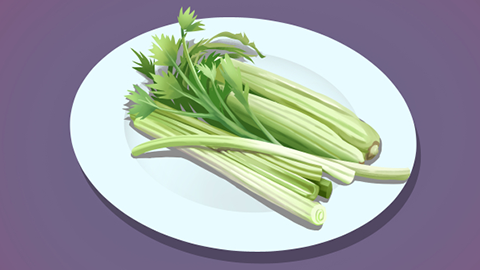
For individuals with hypertension, daily dietary habits must emphasize light, low-sodium meals. Those who smoke or consume alcohol regularly must quit smoking and drinking as soon as possible. Furthermore, patients should practice moderate eating—avoiding overeating—and incorporate foods known to help lower blood pressure and improve circulation, such as wood ear fungus and celery. For breakfast, hypertensive patients should limit egg consumption due to their high cholesterol content.
In cases of severe hypertension, timely medical consultation and treatment are essential. It is recommended that hypertensive patients increase their intake of vegetables rich in magnesium, potassium, and calcium. We hope this information proves helpful.


