


What are the implications of a small uterus?

Small uterus syndrome continues to significantly impact women’s health. A small uterus is a common congenital malformation of the female reproductive tract, posing certain risks to both physical and mental well-being. Therefore, women should promptly consult healthcare professionals—and, where appropriate, work closely with medical students—to prevent disease progression. So, what are the implications of having a small uterus?
What Are the Impacts of a Small Uterus?
The clinical significance of a small uterus depends on individual circumstances. If the uterus is only mildly smaller than average and no other abnormalities or symptoms are present, it generally does not impair overall health. Women may retain normal fertility and enjoy regular sexual function. However, caution is warranted: those with a smaller uterus may face an increased risk of threatened miscarriage or other complications during later stages of pregnancy. Thus, regular prenatal check-ups at a hospital are essential to prevent potential complications. In contrast, if the small uterus results from congenital underdevelopment or endocrine disorders, it can adversely affect health—potentially compromising fertility and disrupting hormonal balance, leading to endocrine dysfunction.
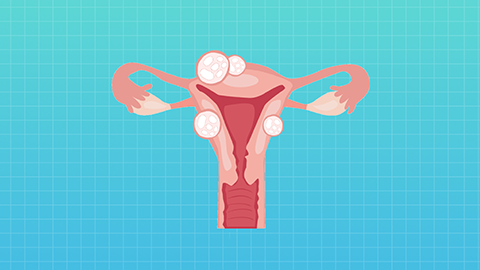
Women should practice effective contraception—especially when not yet prepared for pregnancy—because miscarriage can damage the endometrium, causing its shedding. Should endometrial tissue grow ectopically, adenomyosis may develop. In daily life, women should avoid spicy, stimulating, and cold foods—particularly during menstruation and ovulation—and instead opt for mild, warming foods.
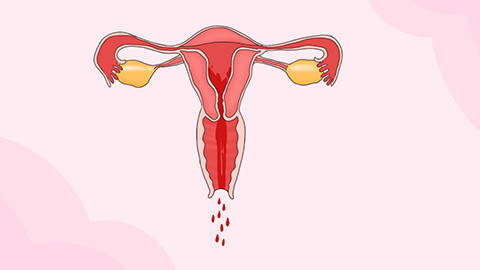
In everyday life, cultivating healthy lifestyle and dietary habits is crucial. We hope this information proves helpful to you.


