


What causes multiple uterine cysts?

Some women, upon undergoing gynecological examinations, are found to have multiple uterine cysts and consequently feel anxious and fearful. So, what exactly are multiple uterine cysts?
What Are Multiple Uterine Cysts?
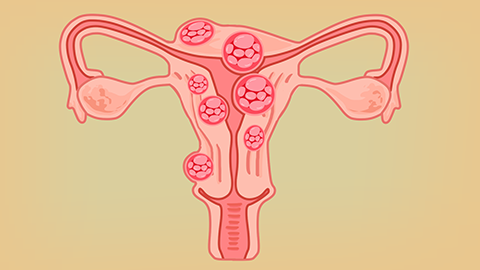
In most cases, multiple uterine cysts may arise from physiological factors—such as squamous epithelial coverage—or pathological factors—including trauma or chronic cervicitis. Patients can receive targeted treatment based on the underlying cause. A detailed analysis follows:
I. Physiological Factors
During the transformation of the cervical squamocolumnar junction—where newly formed squamous epithelium replaces columnar epithelium—the squamous epithelium may cover and obstruct the openings of cervical glandular ducts. This obstruction impairs drainage of glandular secretions, causing them to accumulate within the glands and form multiple cervical cysts. These are physiological (functional) cervical cysts and typically require no specific treatment.
II. Pathological Factors
1. Trauma
If a patient sustains external physical injury leading to localized cervical damage, narrowing of the glandular duct openings may occur, resulting in multiple uterine cysts. Under a physician’s guidance, patients may be prescribed medications such as Fuke Qianjin Tablets or Pingshao Tablets, along with adequate rest.
2. Chronic Cervicitis
Poor personal hygiene may predispose patients to infection by bacterial or viral pathogens, triggering an inflammatory response. Inflammation can irritate surrounding tissues and cause obstruction of cervical glandular ducts, thereby leading to multiple uterine cysts. Under medical supervision, patients may be treated with medications such as Azithromycin Capsules or Jinguangteng Capsules, while maintaining strict personal hygiene.
Patients with multiple uterine cysts are advised to maintain regular sleep-wake cycles, cultivate a positive mindset, and avoid excessive fatigue. We hope this information is helpful to you.


