


Why does my baby cough and have nosebleeds?

Babies sometimes experience symptoms such as coughing and nosebleeds in daily life. These symptoms can adversely affect a baby’s health. So, what causes coughing and nosebleeds in infants?
What Causes Coughing and Nosebleeds in Babies?
Coughing accompanied by nosebleeds in infants may result from pathogen infection—for example, infections caused by rickettsiae, chlamydia, or parasites—which can damage the nasal mucosa and pharyngeal tissues, leading to discomfort. Chronic rhinitis commonly causes nasal congestion, purulent nasal discharge, and epistaxis (nosebleeds) in infants. If these abnormal symptoms are not treated promptly, the condition may worsen. Additionally, purulent nasal discharge draining into the throat may trigger symptoms such as coughing, nausea, and vomiting.
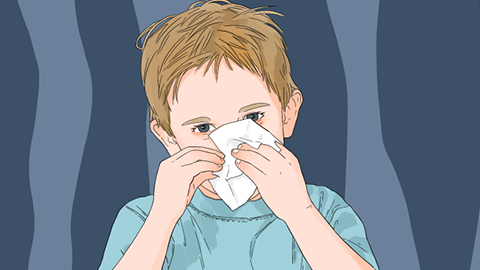
Infants with the common cold often develop coughing and nosebleeds, primarily because colds can injure the upper respiratory tract and nasal mucosa, triggering associated discomfort and posing risks to health. Infantile epistaxis may also be associated with nasopharyngeal angiofibroma—a benign but locally invasive tumor that frequently infiltrates pharyngeal and nasal tissues, causing symptoms such as coughing and epistaxis.

When an infant experiences severe coughing and nosebleeds, appropriate treatment targeting the underlying cause is essential to alleviate discomfort. During recovery, avoid feeding the infant spicy, greasy, or high-salt foods, which may exacerbate symptoms. Also, avoid oral trauma (e.g., forceful mouth opening), as it could impair health or hinder recovery. We hope this article has been helpful. Wishing you a joyful life and good health!


