


How to Lower High Blood Pressure

Hypertension primarily manifests as dizziness, headache, nausea, palpitations, and other symptoms. It is commonly caused by genetic factors or long-term excessive alcohol consumption and high-fat diets. So, how can hypertension be effectively lowered?
How to Lower Hypertension
Patients with hypertension can lower their blood pressure through dietary adjustments, appropriate physical exercise, emotional stabilization, and antihypertensive medications. It is recommended that patients consume more fresh leafy vegetables and fruits, adopt a low-salt, low-fat diet, and avoid organ meats, fried foods, and pickled or preserved foods. Regular moderate exercise helps improve overall physical fitness and enhances metabolic function. Maintaining emotional stability is also crucial—patients should strive to remain calm and avoid large fluctuations in blood pressure. Regarding medication, long-term antihypertensive drugs should be selected based on individual patient circumstances.
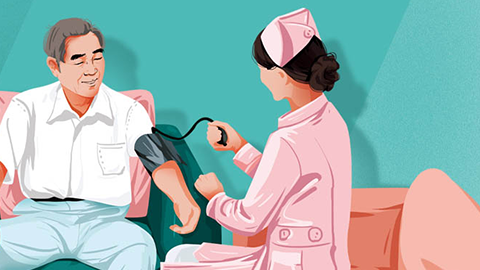
For individuals with hypertension, a light, bland diet is essential. Alcohol consumption must be avoided, as must greasy or spicy foods—otherwise, hypertension management becomes significantly more challenging. Additionally, maintaining a regular work-rest schedule is vital; staying up late should be avoided. Patients should adhere to consistent sleep routines and ensure adequate sleep duration, as insufficient rest impairs normal metabolism. Furthermore, maintaining a positive and cheerful mood is beneficial for hypertensive patients.

Avoid excessive anxiety or tension, and strive to maintain emotional stability—this plays a positive role in hypertension management. We hope this information proves helpful to you.


