


What to Do When Experiencing Nosebleeds in Autumn and Winter

During autumn and winter, the air is relatively dry, causing nasal mucosa to become dehydrated and leading to epistaxis (nosebleeds). So, what should you do if you experience nosebleeds during these seasons?
How to Manage Nosebleeds in Autumn and Winter
Patients with atrophic rhinitis often suffer from nasal dryness. Prolonged exposure to dry conditions can cause pathological changes in the nasal mucosa, resulting in abnormal mucus secretion and impaired self-regulation. Therefore, it is essential to regularly monitor nasal health, maintain nasal hygiene and cleanliness, and drink warm water frequently to alleviate nasal dryness. Individuals with atrophic rhinitis should increase their fluid intake, as this helps regulate systemic circulation and ensures timely replenishment of adequate hydration.
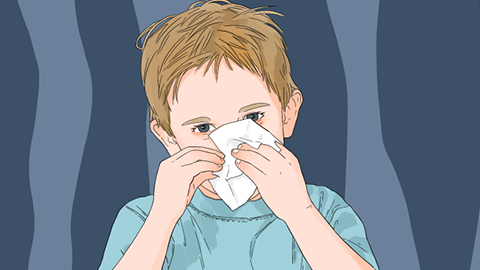
Rinse your nasal cavity immediately upon returning indoors. After coming back from outdoors, individuals with atrophic rhinitis should promptly rinse their nasal passages. Use lukewarm water for rinsing; after thoroughly washing your hands, gently inhale the water through your nose and then blow your nose quickly. Repeat this process several times to effectively remove dust and bacteria from the nasal cavity. Note: When rinsing, inhale gently to avoid aspiration or coughing.

Additionally, acupressure on the Yingxiang acupoint may help manage epistaxis. The Yingxiang point is located on either side of the nostrils. Stimulating this point enhances local blood circulation, improves regional blood supply, helps prevent epistaxis associated with rhinitis, and may also reduce the risk of facial nerve palsy. We hope this article has been helpful. Wishing you a joyful life and good health!


