


The Optimal Timing for Tonsillectomy

If the tonsils experience recurrent inflammation or develop other serious pathological conditions, a physician may recommend a tonsillectomy. However, patients often express concerns about potential adverse effects of the procedure, which may lead them to decline surgery. Therefore, it is essential to obtain comprehensive preoperative information. So, when is the optimal timing for tonsillectomy?
Optimal Timing for Tonsillectomy
The ideal timing for tonsillectomy depends on the underlying cause. Surgical indications and contraindications must be carefully evaluated. As the tonsils are an important component of the human immune system—particularly in children—tonsillectomy should be approached with caution in children under four years of age. Prior to surgery, clinicians must assess both indications and contraindications. Tonsillectomy may be considered if a patient experiences three or more episodes of tonsillitis annually, especially when this pattern persists over consecutive years. Additionally, tonsillectomy may be indicated in cases of tonsillar tumors.
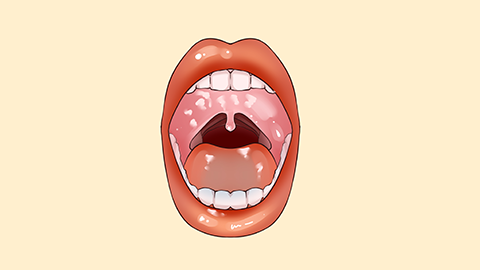
Surgery is generally not recommended during acute inflammation; instead, it is typically deferred until 2–3 weeks after the inflammation has been adequately controlled. Patients with coagulation disorders or hematologic conditions such as aplastic anemia are not suitable candidates for tonsillectomy. Women should avoid surgery in the peri-menstrual period (i.e., shortly before or after menstruation) due to increased intraoperative and postoperative bleeding risk. Patients with compromised immune function require careful evaluation prior to surgery. Similarly, individuals with severe comorbidities—including poorly controlled hyperglycemia or hypertension, renal disease (e.g., nephritis), or rheumatic heart disease—must undergo thorough risk-benefit assessment before proceeding with surgery.

Maintain healthy lifestyle habits in daily life. We hope this information is helpful to you.


