


Does the absence of a uterus cause faster aging?

Under normal circumstances, various factors can lead to a range of uterine disorders. Some patients develop uterine fibroids, and their physicians may recommend hysterectomy (surgical removal of the uterus). Does the absence of a uterus accelerate aging?
Does the absence of a uterus accelerate aging?
No, removal of the uterus alone does not accelerate aging. The ovaries remain intact and continue producing hormones—particularly estrogen and progesterone—which are primarily responsible for maintaining female youthfulness and vitality. As long as ovarian function remains normal, hysterectomy does not hasten the aging process. However, if both ovaries are removed along with the uterus (bilateral oophorectomy), women may experience premature menopausal symptoms and accelerated aging. In such cases, hormone replacement therapy (HRT) may be necessary under a physician’s guidance to alleviate symptoms. Regular gynecological examinations are essential; any signs of infection should be treated promptly, and good personal hygiene practices should be maintained.
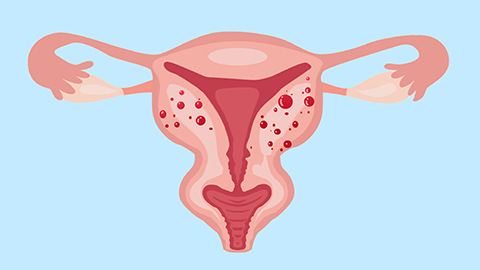
Some patients may develop uterine cysts or fibroids, which can cause compressive symptoms. For instance, fibroids located anteriorly may compress the bladder, resulting in urinary frequency; those situated posteriorly may compress the rectum, leading to constipation and pain. Although uterine fibroids typically do not cause pain, very large fibroids may impede venous return, causing lower abdominal distension and discomfort. Poorly positioned fibroids may also compress nearby nerves, resulting in radiating pain down one thigh. Increased vaginal discharge may occur secondary to uterine enlargement or heightened secretions. Fibroids located near the tubal ostia may obstruct the fallopian tubes, contributing to infertility. Similarly, submucosal or intracavitary fibroids that distort the uterine cavity may interfere with embryo implantation and development, increasing risks of miscarriage or preterm birth. These represent common clinical manifestations of uterine fibroids.

We hope this article has been helpful to you!


