


What Are the Symptoms of Tonsil Cancer?

Viral or bacterial infection of the tonsils can lead to tonsillitis. Due to children’s generally weaker constitutions, selective or picky eating habits, and poor nutrition—factors that compromise immune function—they are particularly susceptible to this condition. So, what are the symptoms of tonsil cancer?
Symptoms of Tonsil Cancer
Tonsil cancer may present with vague, persistent discomfort or a burning pain. Both sore throat and tonsil cancer are common malignant tumors of the head and neck region, primarily arising from the palatine tonsils. In addition to throat pain, patients with early-stage tonsil cancer often experience a palpable mass in the pharynx. Early on, individuals may notice a swollen, foreign-appearing mass in the tonsillar region, accompanied by local induration (hardening), enlargement, or small surface ulcers. The surface may exhibit recurrent ulceration or a cauliflower-like appearance.
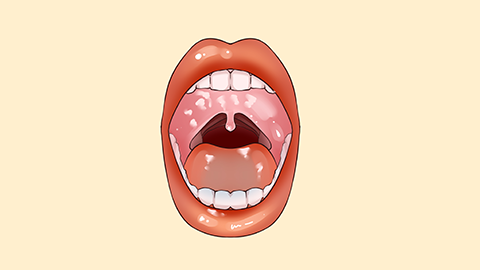
Pharyngeal masses and tonsil cancer refer to malignant tumors originating from the tonsillar fossae on either side of the oropharynx. Early symptoms are often subtle—such as mild pharyngeal discomfort, a sensation of a foreign body, or slight pain—and these nonspecific symptoms are frequently present at initial diagnosis. The most common early manifestations include dull, persistent pain and discomfort in the tonsillar region, often accompanied by a burning sensation.

If one tonsil appears noticeably larger than the other, especially when associated with surface ulceration or a cauliflower-like appearance, heightened vigilance is warranted. Prompt evaluation at a reputable specialized hospital is essential. If a mass is detected near the tonsil, surgical excision should be performed as soon as possible, followed by histopathological examination to establish a definitive diagnosis.


