


What should I do if I have uterine polyps?

Uterine polyps refer to benign growths that develop within the uterus. When a woman is diagnosed with uterine polyps, it is important for her to understand available treatment options—so what should she do?
What to Do About Uterine Polyps
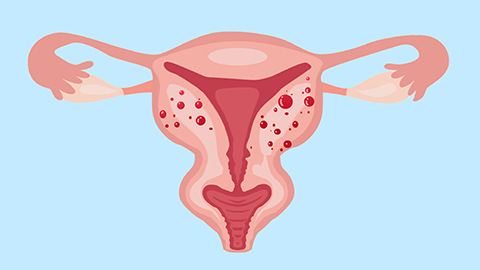
Uterine polyps most commonly refer to endometrial polyps. Symptoms, gynecological examination, and ultrasound findings may suggest an initial diagnosis of endometrial polyp. In such cases, hysteroscopic polypectomy is recommended, followed by histopathological examination for definitive diagnosis. If pathology confirms endometrial polyps, postoperative medical therapy is advised to prevent recurrence. A common regimen involves continuous progestin therapy for six months; frequently used progestins include medroxyprogesterone acetate and norethisterone. For women who have completed childbearing or who are not planning pregnancy in the near future, short-term oral contraceptives or intrauterine placement of a levonorgestrel-releasing intrauterine system (LNG-IUS) may be considered.
A significantly small uterus (uterine hypoplasia) often leads to abnormal secretion of estrogen and progesterone, resulting in immature endometrial development, reduced fertility, and difficulty conceiving. Some women may experience embryonic arrest or miscarriage after becoming pregnant. When physical examination reveals—or specific clinical symptoms indicate—a markedly small uterus, the underlying cause should be promptly investigated and appropriately treated. Under physician guidance, estrogen therapy may be used to stimulate further uterine development and reduce the risk of progressive uterine atrophy. During treatment, patients must strictly adhere to prescribed medication regimens and avoid self-adjusting dosage or discontinuing therapy without medical advice, to ensure optimal therapeutic efficacy.

If endometrial development is immature and hormonal imbalances occur, affected women may experience delayed menarche, prolonged menstrual cycles, scanty menstruation, and eventually amenorrhea or other forms of menstrual irregularity. We hope this article has been helpful to you!


