


Self-Exercise Methods for Periarthritis of the Shoulder
Aug 15, 2022
Source: Cainiu Health

Dr. Lin Yunfei
Introduction
Self-exercise methods for periarthritis of the shoulder include arm-swinging exercises, scapular adduction and abduction exercises, and external rotation exercises. For arm-swinging exercises, patients should stand upright and perform a series of movements involving shoulder flexion, extension, adduction, and abduction. For the scapular adduction and abduction exercise, patients place their hands crossed behind the neck and maximally adduct and abduct the shoulders; this exercise should be repeated several times daily.
Individuals with periarthritis of the shoulder (frozen shoulder) often experience adverse symptoms such as shoulder pain, numbness, and stiffness. In severe cases, these symptoms may significantly impair daily functioning; therefore, effective treatment is essential. What, then, are the self-exercise methods for managing periarthritis of the shoulder?
Self-Exercise Methods for Periarthritis of the Shoulder
Recommended self-exercise techniques for periarthritis of the shoulder include pendulum (arm-swinging) exercises, scapular retraction and protraction movements, and external rotation exercises. For pendulum exercises, patients should stand upright and perform a series of shoulder joint movements—including flexion, extension, adduction, and abduction. For scapular retraction and protraction, patients interlace their fingers behind their neck and actively draw the shoulders backward (retraction) and forward (protraction) to the greatest comfortable extent, repeating this several times daily. For external rotation exercises, patients stand with their back against a wall, clench their fists, bend their elbows to 90 degrees, and slowly rotate their forearms outward while attempting to touch the backs of their fists to the wall.
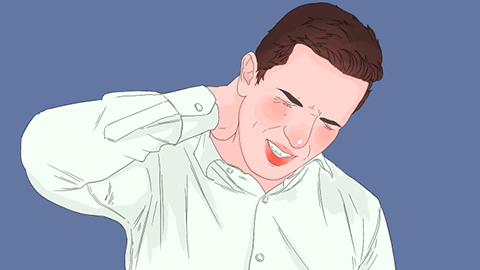
Patients should take care to keep the shoulder joint warm and avoid catching a cold. A cold may slow peripheral circulation around the shoulder, leading to accumulation of inflammatory metabolites and exacerbation of pain. Secondly, functional exercise of the shoulder joint is crucial. Immobility can worsen intra-articular adhesions. Due to pain, many patients become apprehensive about moving the shoulder; however, gentle, gradual movement is both safe and beneficial.

Patients are advised to seek professional massage therapy at a hospital’s department of tuina (Chinese therapeutic massage), which helps release periarticular adhesions and promotes blood circulation, resolves blood stasis, relaxes tendons, and unblocks meridians. We hope this information proves helpful to you.





