


Causes of Cerebral Thrombosis

Most people are familiar with cerebral thrombosis, especially among middle-aged and elderly individuals, who are at high risk for its development. Once it occurs, cerebral thrombosis can lead to severe consequences—even threatening the patient’s life. Therefore, understanding its underlying causes and implementing preventive measures in advance are crucial for protecting patients’ health. So, what causes cerebral thrombosis?
Causes of Cerebral Thrombosis
Generally, cerebral thrombosis results from alterations in the vascular wall, changes in blood composition, and abnormal blood pressure. A detailed analysis follows:
1. Vascular Wall Changes
Atherosclerosis is the most common cause of cerebrovascular wall changes—and also the primary contributor to thrombus formation. Additionally, congenital vascular maldevelopment and cerebral amyloid angiopathy may alter the vascular wall and predispose to thrombosis.
2. Alterations in Blood Composition
Changes in blood composition primarily include increased blood viscosity—as seen in polycythemia vera and essential thrombocythemia—as well as enhanced coagulability, both of which can promote cerebral thrombosis.

3. Abnormal Blood Pressure
Abnormal blood pressure—including hypertension or hypotension—and cardiac dysfunction can impair cerebral perfusion. Severe cases may precipitate cerebral thrombosis.
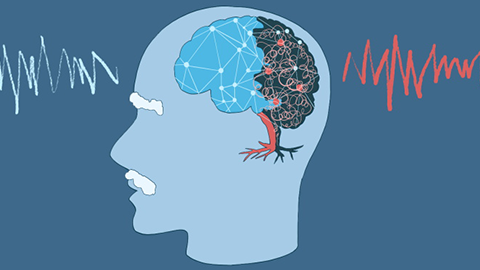
Aside from the above common factors, brain tumors may also trigger this condition. We recommend prompt medical evaluation to identify the precise cause and initiate targeted treatment. In daily life, ensure adequate rest and avoid excessive physical or mental strain to prevent harm to your health. We hope this information is helpful to you.


