


What Is Synovitis?

Synovitis is a condition caused by knee joint sprains or various intra-articular injuries. Symptoms of synovitis vary across different stages of the disease and also differ among its various types. So, what exactly is synovitis?
What Is Synovitis?
Synovitis refers to inflammation—characterized by hyperemia (increased blood flow), edema (swelling), and exudation—of the synovial membrane within a joint, leading to joint pathology. It can arise from multiple causes. For instance, simple traumatic synovitis may result from contusions or sprains of the knee joint, causing hyperemia and edema of the synovium, and sometimes even intra-articular tears that lead to hemarthrosis (blood accumulation within the joint). This subsequently results in joint swelling, pain, and restricted mobility—termed simple traumatic synovitis.
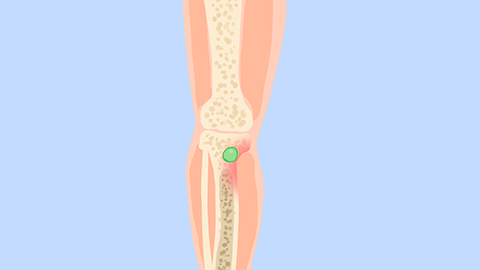
Treatment of synovitis should be tailored according to its underlying cause. Synovitis resulting from sports injuries can be managed conservatively with rest, immobilization, external fixation, and physical therapy. If pain is pronounced, oral anti-inflammatory and analgesic medications may be prescribed. In cases of significant joint swelling and large-volume effusion, arthrocentesis (joint aspiration) can be performed under strict aseptic conditions; following aspiration, compression bandaging may be applied. For suppurative arthritis, early administration of adequate antibiotics and joint aspiration are essential.

Synovitis associated with rheumatoid or rheumatic arthritis can be treated early via arthroscopic synovectomy. Additionally, pharmacologic management remains a cornerstone for both rheumatoid and rheumatic arthritis. We hope this explanation proves helpful to you.


