


Is Liermian effective for treating insomnia?

Insomnia is a sleep disorder commonly characterized by difficulty falling asleep, difficulty maintaining sleep, early morning awakening, or intermittent awakenings during the night. It may cause uncomfortable symptoms such as fatigue, lethargy, headache, low mood, and poor concentration—ultimately impairing the patient’s social functioning. So, does Liermian (Liermian Tablets) work for insomnia?
Does Liermian Work for Insomnia?
Yes, Liermian can be effective for insomnia. However, it must be taken strictly according to a physician’s instructions. Liermian Tablets are primarily indicated for insomnia with associated symptoms such as restless sleep with vivid dreams and palpitations, especially when attributed in Traditional Chinese Medicine (TCM) to disharmony between the Heart and Kidney. As a TCM formulation, Liermian functions to clear Heart-Fire, drain excess heat, harmonize the Heart and Kidney, and promote tranquil sleep. If the TCM diagnosis confirms Heart-Kidney disharmony, Liermian may yield excellent therapeutic results by regulating organ function and improving sleep quality. Typically, one tablet is taken orally with warm boiled water approximately 30 minutes before bedtime. Nevertheless, if no improvement is observed after using Liermian, patients should consult a healthcare provider for further evaluation.
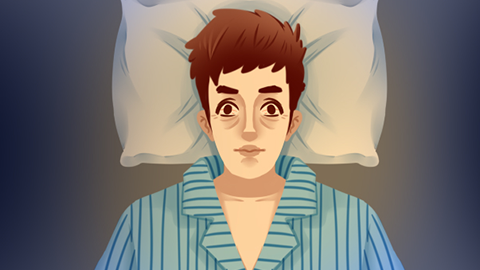
Prior to bedtime, avoid stimulants such as tobacco, tea, coffee, cola, and spicy foods. Drinking warm milk before bed may aid sleep; limit intake of sweets, and avoid going to bed either excessively hungry or overly full. Light physical activity before bed—such as gentle stretching or walking—is beneficial, but vigorous exercise should be avoided. Cultivate an optimistic mindset, minimize excessive rumination, maintain a regular daily routine, and establish consistent sleep and wake times to reinforce your body’s natural circadian rhythm. Avoid staying up late and prolonged time spent lying awake in bed, as this may weaken the psychological association between the bed and restful sleep.
In daily life, cultivate healthy lifestyle and dietary habits. We hope this information proves helpful to you.


