


Can extreme fatigue cause nosebleeds?
Aug 15, 2022
Source: Cainiu Health

Dr. Xu Gang
Introduction
Excessive fatigue does not cause epistaxis, as it is not a recognized etiological factor. Epistaxis has numerous potential causes, including local nasal factors—such as deviated nasal septum, acute or chronic rhinitis, nasal polyps, and allergic rhinitis. Inflammation from rhinitis can increase vascular fragility, thereby predisposing individuals to epistaxis. Systemic conditions—including hypertension, renal disease, and hepatic disorders—may also contribute to epistaxis.
I’ve been staying up late and working overtime until the early morning for several days, and I’ve recently experienced nosebleeds. Could this be due to excessive fatigue? I’d like to consult a professional—can extreme fatigue cause nosebleeds?
Can extreme fatigue cause nosebleeds?
Extreme fatigue itself does not cause nosebleeds, as it is not a direct etiological factor. Nosebleeds (epistaxis) have numerous potential causes, including local nasal factors such as deviated nasal septum, acute or chronic rhinitis, nasal polyps, and allergic rhinitis. Inflammation from rhinitis can increase vascular fragility, thereby predisposing individuals to epistaxis. Systemic conditions—including hypertension, renal disease, hepatic disorders, and hematologic diseases such as aplastic anemia or leukemia—may also contribute. Environmental factors, particularly dry weather, are common triggers for nosebleeds. Additionally, exposure to toxic chemical substances—such as lead or mercury—can irritate nasal mucosa and induce epistaxis. In summary, extreme fatigue alone does not cause nosebleeds.
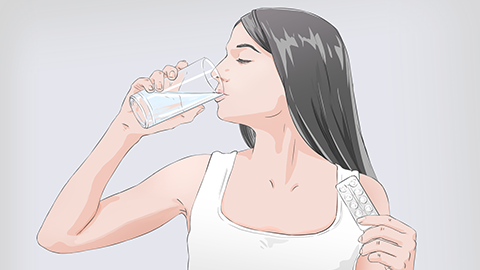
Preventive measures for nosebleeds include: 1. Adjusting dietary habits—increasing intake of light, non-irritating foods and avoiding emotional stress, which may help alleviate nosebleed symptoms. 2. Ensuring proper ventilation—keeping windows open and maintaining stable indoor humidity to prevent excessive dryness.
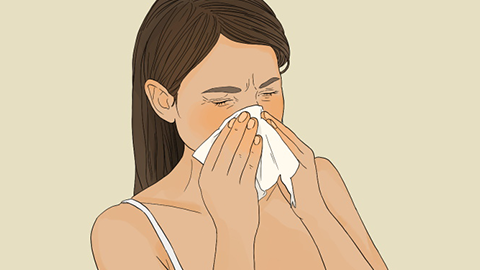
It’s also important to avoid harmful habits. Frequent nose-picking, for example, can trigger nosebleeds; therefore, cultivating healthy habits—such as refraining from nose-picking at all times—is essential. If nasal itching occurs, prompt pharmacological treatment should be initiated, and adequate hydration maintained. Wearing a mask outdoors may also be beneficial. We hope this information proves helpful!


