


Where is the uterus located?

The uterus is an essential organ in the female body. Its primary functions are to generate menstruation and to carry a fetus to term. Any abnormalities of the uterus can significantly impact a woman’s health. So, where exactly is the uterus located?
Location of the Uterus
The uterus is an internal female reproductive organ situated within the true pelvis, centrally positioned in the pelvic cavity. It lies anterior to the bladder and posterior to the rectum; its inferior end opens into the vagina, while the fallopian tubes and ovaries are located on either side. The uterine fundus lies below the pelvic inlet plane, and the external cervical os is slightly above the level of the ischial spines. When the bladder is empty, the normal position of the adult uterus is slightly anteverted and anteflexed. This normal anatomical position is maintained by the uterine ligaments, pelvic floor muscles, and fascial support.
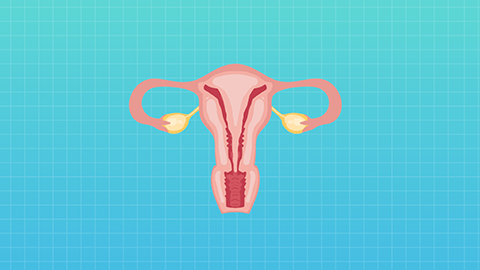
The main functions of the uterus include generating menstruation and nurturing embryonic development. A healthy uterus is located in the lower central portion of the female pelvic cavity and consists primarily of muscular tissue. Additionally, the fallopian tubes—located on either side of the uterus—connect with the pelvic cavity and facilitate ovum retrieval from the ovaries. Sperm travel through the uterine cavity to meet the egg; following fertilization, the resulting zygote is transported via peristaltic contractions of the fallopian tubes into the uterine cavity, where it implants and begins progressive development. The endometrium—the inner mucosal lining of the uterus—is a target organ for sex hormones; under their cyclical influence, it undergoes periodic changes that result in menstruation.
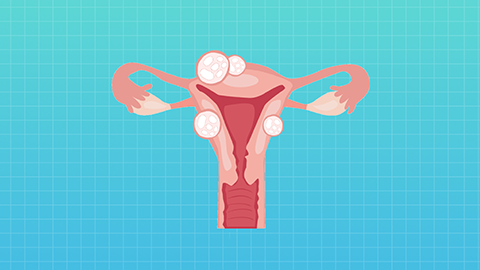
If any uterine abnormality is suspected, prompt gynecological evaluation and treatment at a hospital are essential. We recommend undergoing an annual gynecological examination. In daily life, maintain cleanliness and hygiene of the genital area to prevent infections that may lead to gynecological conditions—such as cervicitis or cervical ectropion—that could adversely affect uterine health. We hope this information has been helpful. Wishing you optimal health and happiness!


