


Can I take a shower and wash my hair during menstruation?
Aug 19, 2022
Source: Cainiu Health

Dr. Chen Zhe
Introduction
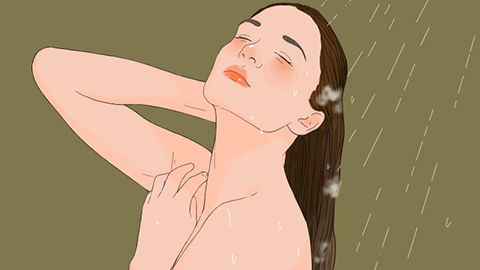
You can take showers and wash your hair during menstruation. Menstruation is a normal physiological process; however, the body is more susceptible to bacterial infections during this time. Therefore, it is especially important to pay close attention to personal hygiene. You may shower and wash your hair according to your usual hygiene routine. Additionally, change your undergarments and sanitary pads frequently, and avoid soaking in a bathtub.
There are numerous precautions to observe during menstruation. Neglecting them may impede menstrual flow, cause physical discomfort, and even contribute to endometriosis. Therefore, understanding these menstrual precautions is critically important. So—can you shower and wash your hair during your period?
Can you shower and wash your hair during menstruation?
Yes, you can shower and wash your hair during your period. Menstruation is a normal physiological process; however, the body is more susceptible to bacterial infection during this time. Thus, special attention should be paid to personal health and hygiene. You may shower and wash your hair according to your usual hygiene habits. Additionally, change your undergarments frequently, replace sanitary pads regularly, avoid soaking in bathtubs, and clean the external genitalia using a shower—these practices help maintain personal hygiene and prevent complications.

Menstruation is a unique phase for women, requiring particular attention to various aspects of daily life. During this time, prioritize rest, avoid fatigue and late-night activities, and minimize contact with cold water. Pay close attention to your diet: limit spicy, greasy, and cold foods. Instead, consume more calcium- and vitamin-rich foods, which may help reduce the risk of premenstrual syndrome (PMS). Avoid overeating; maintain regular, portion-controlled meals to prevent significant blood glucose fluctuations. Include more whole-grain foods—such as oatmeal and barley bread—as well as lean meats, protein sources, and a variety of fresh fruits and vegetables. Minimize intake of sweets, as excessive consumption may disrupt hormonal balance and destabilize mood.
Women must pay extra attention to dietary health during menstruation to help prevent dysmenorrhea. We hope this information is helpful to you.



