


What should I do for diaper rash in a 4-month-old baby?

Patients with perianal eczema typically develop extensive erythematous patches around the anus, accompanied by prominent red papules and/or severe pruritus. This condition is confined to the perianal skin; however, in severe cases, pruritus may extend to the perineal or genital areas. Prompt medical treatment is therefore essential. So, what should be done for a four-month-old infant diagnosed with perianal eczema?
Management of Perianal Eczema in a Four-Month-Old Infant
For a four-month-old infant with perianal eczema, meticulous perianal hygiene is crucial. Topical antiallergic ointments may be used for treatment. Perianal eczema in infants commonly results from localized cutaneous allergic reactions; thus, maintaining cleanliness of the perianal area is vital. Gently rinse the area with plain water regularly, and thoroughly clean and dry it after each bowel movement to prevent fecal residue. Effective antiallergic therapy is recommended—topical corticosteroid ointments, for instance, often yield excellent therapeutic outcomes. Additionally, dietary adjustments are important: avoid spicy, irritating, or excessively hot foods. With active and appropriate treatment, symptoms generally resolve gradually.
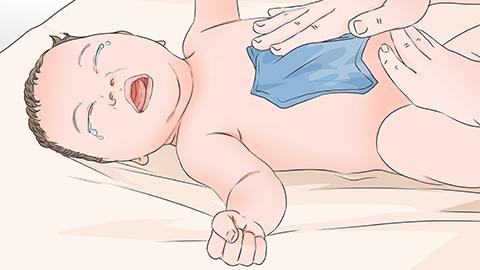
For infants with perianal eczema, attention must also be paid to daily dietary habits. Complementary foods should be introduced gradually and in proper sequence, and exclusive breastfeeding is strongly encouraged whenever possible. The infant’s diet should emphasize bland, easily digestible foods while minimizing or avoiding fish and other potential allergens. A nutritionally balanced diet is essential. Infants should consume ample amounts of vitamin- and mineral-rich foods, which help enhance physiological function and reduce cutaneous allergic responses.
When a four-month-old infant develops perianal eczema, prompt medical consultation is imperative—self-medication or indiscriminate use of drugs must be avoided. We hope this information proves helpful.


