


Can patients with gastroenteritis eat vegetables?

The health benefits of vegetables are often highlighted in the saying: “If you go three days without eating greens, stars will dance before your eyes.” Here, “greens” refers broadly to various vegetables and fruits. So, can individuals with gastroenteritis eat vegetables?
Can individuals with gastroenteritis eat vegetables?
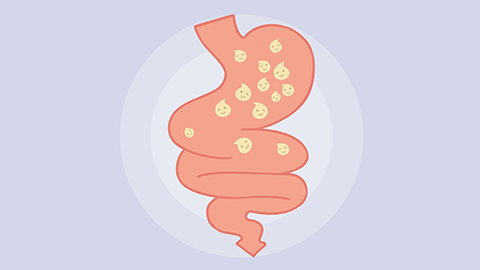
Patients with gastroenteritis may consume vegetables in moderation. Moderate vegetable intake not only supplies essential vitamins and trace minerals but also provides dietary fiber, helping regulate gastrointestinal function and promoting digestion and nutrient absorption. Some patients lack healthy eating habits and frequently consume raw, cold, spicy, or otherwise irritating foods—or even unhygienic foods—which may trigger gastroenteritis. Common symptoms include nausea, abdominal pain, and diarrhea.

For women, increasing vegetable consumption offers multiple health benefits. First, vegetables are rich in vital nutrients—including vitamins and minerals—that effectively replenish essential nutrients required by the female body. Additionally, regular intake of fruits and vegetables contributes to skin health, beauty enhancement, and anti-aging effects. Women are therefore encouraged to incorporate more vegetables into their daily diet.
Individuals aiming for weight loss may opt for vegetable salads, as these generally contribute minimal calories. However, patients with gastroenteritis should avoid vegetable salads, since most ingredients are raw and may irritate the stomach. We hope this information proves helpful!


